
How to Choose Epoxy Antistatic Flooring Materials?
Choosing the right epoxy antistatic flooring material is a task that requires both professional knowledge and careful consideration. It relates to multiple aspects, including the flooring's performance, durability, and safety. In the selection process, we should follow scientific principles and consider actual needs to ensure that the chosen material can fully exert its antistatic effect while meeting the specific requirements of the usage environment.
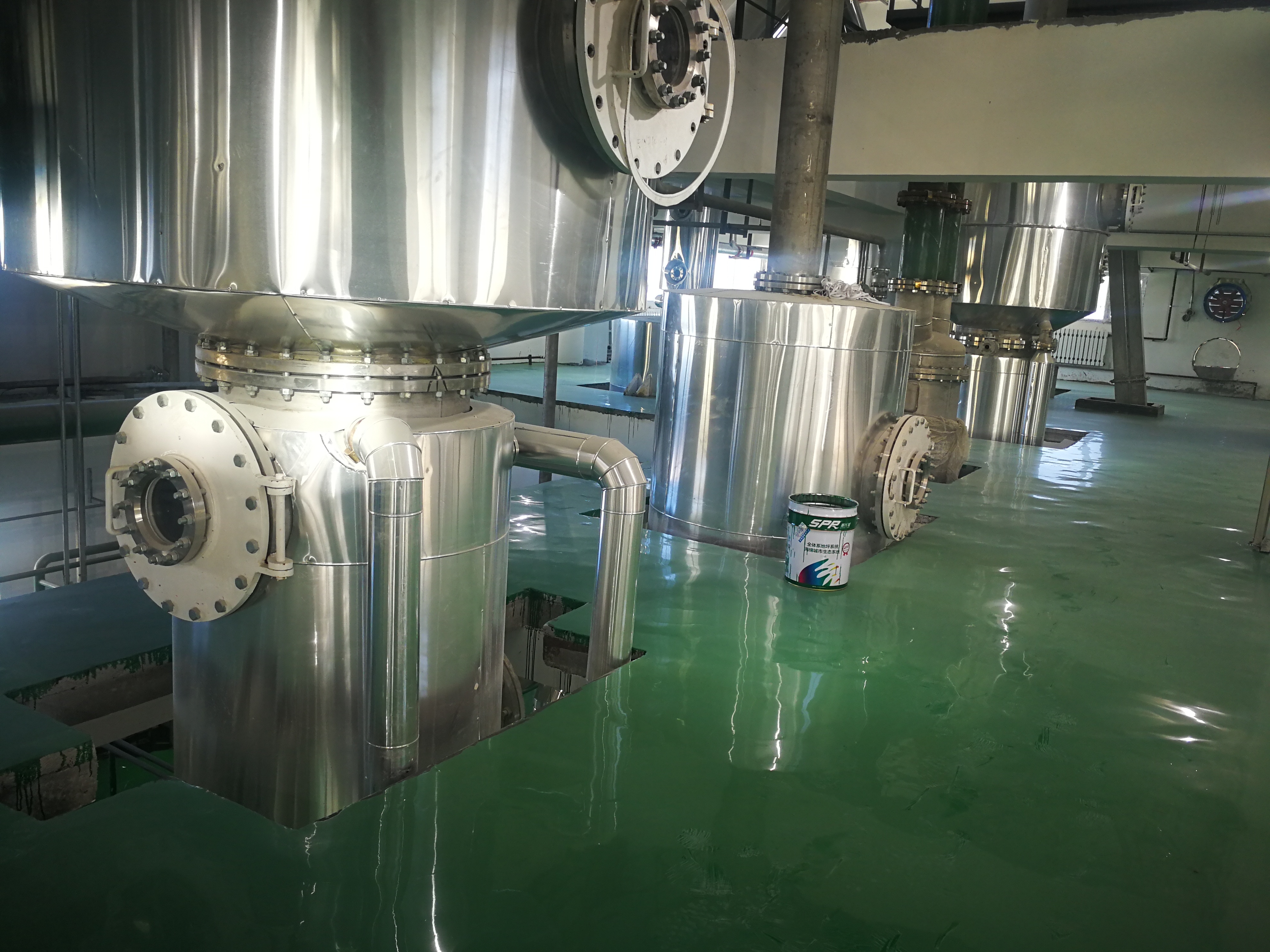
First, we need to consider the flooring's usage environment. Different locations have different requirements for epoxy antistatic flooring. For example, in the electronics and electrical appliance manufacturing industries, the requirements for antistatic performance are extremely high; therefore, epoxy flooring materials with high antistatic efficacy should be selected. In locations requiring resistance to chemical corrosion, epoxy flooring materials with corrosion resistance should be chosen.
Second, we must pay attention to the flooring's durability. Epoxy antistatic flooring materials should have excellent wear resistance and impact resistance to cope with various challenges in daily use. At the same time, the material should also have a long service life to reduce the frequency of replacement and maintenance, thus lowering operating costs.
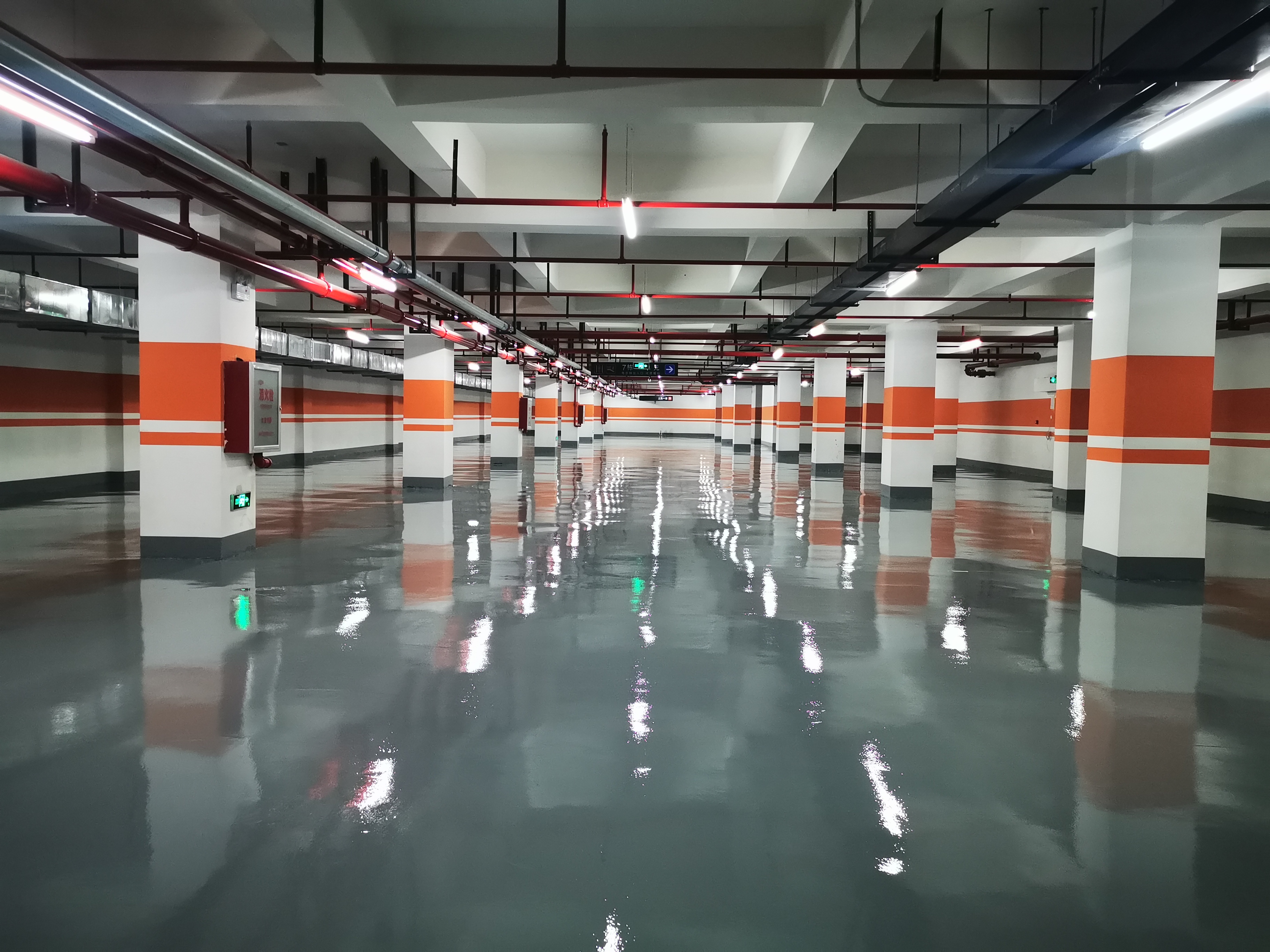
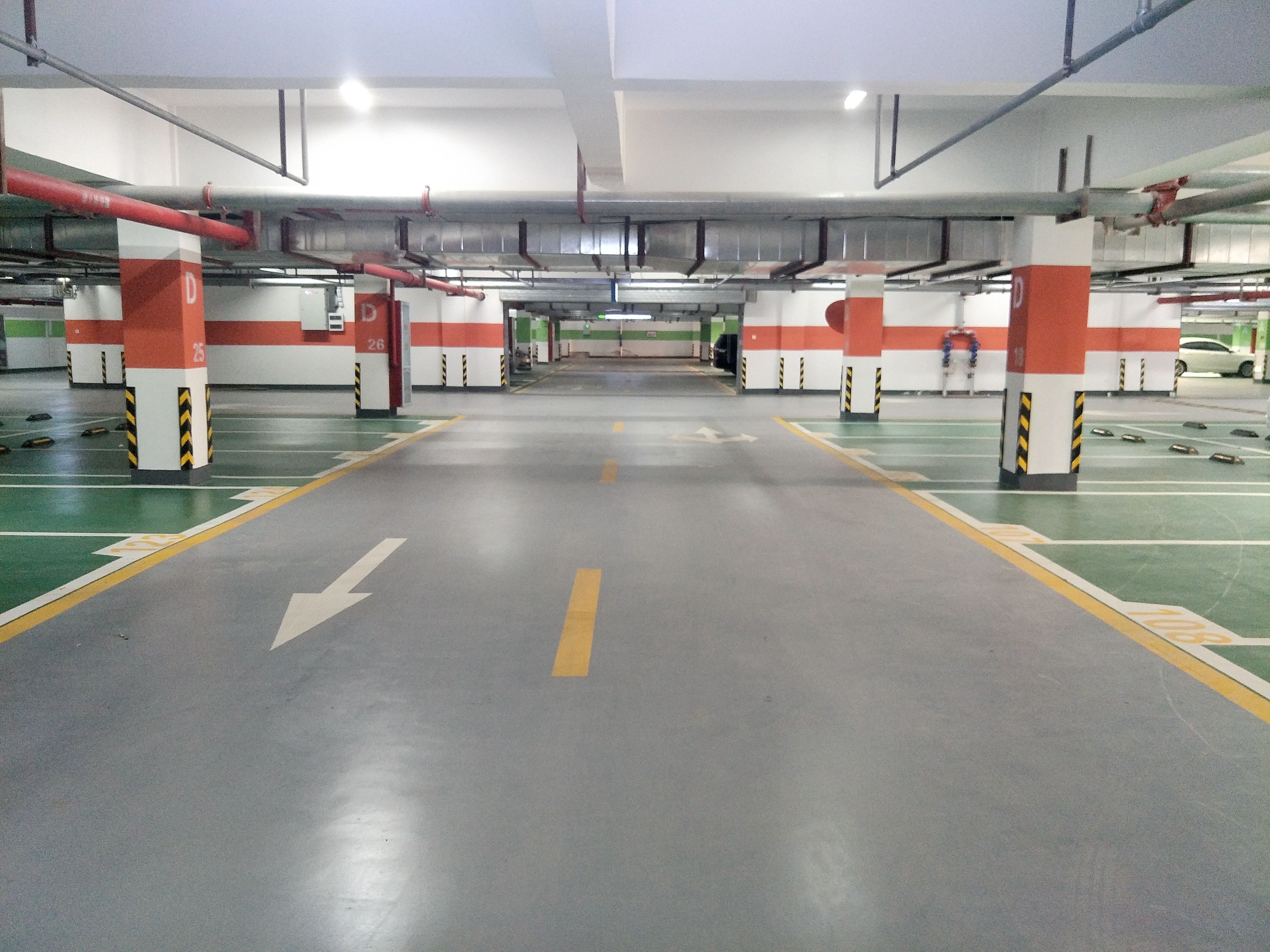
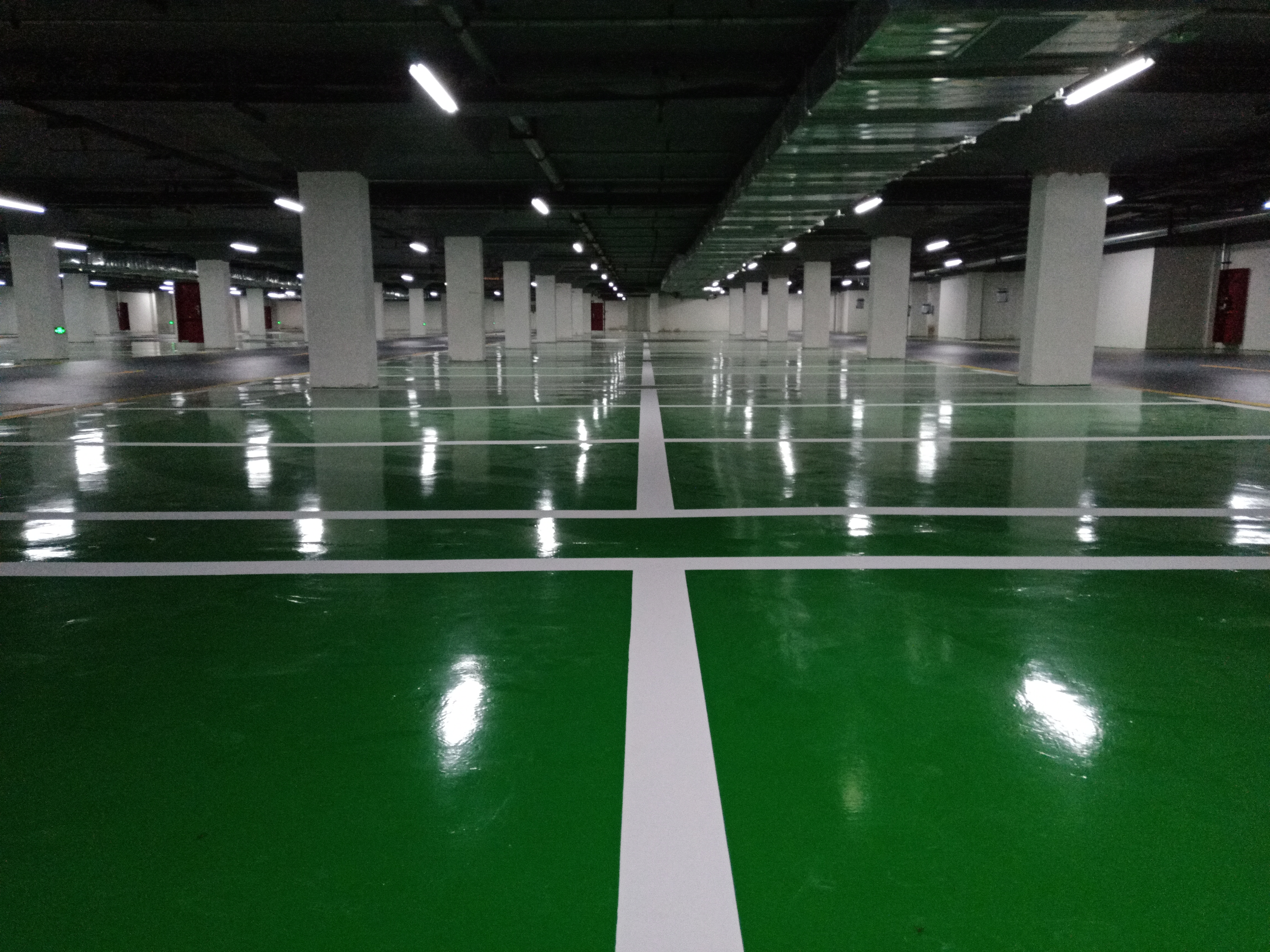
In addition, aesthetics are also a factor to consider when choosing epoxy antistatic flooring materials. High-quality flooring materials should have a smooth, glossy appearance that harmonizes with the surrounding environment and enhances the overall aesthetics.
Finally, we should also pay attention to the environmental performance of the flooring material. During the selection process, priority should be given to epoxy antistatic flooring materials that meet environmental standards and have low VOC emissions to minimize the impact on the environment and human health.
In conclusion, when choosing epoxy antistatic flooring materials, we should comprehensively consider multiple aspects such as the usage environment, durability, aesthetics, and environmental performance to ensure that the selected material meets actual needs and achieves the best results.