
Epoxy Antistatic Self-Leveling Flooring Testing Process: Precise Control from Performance to Construction
Epoxy antistatic self-leveling flooring is commonly used in static-sensitive locations such as electronics workshops and data centers. Its testing must consider both antistatic functionality and the fundamental performance of the flooring. The following are key testing points throughout the entire process, from materials and construction to the finished product, to help you accurately accept quality:
I. Material Incoming Inspection: Controlling Basic Performance from the Source
1. Antistatic Performance Testing
Conductive Material Verification: Verify the proportion of conductive fillers (such as carbon black and metal fibers) added to the epoxy resin. It must meet design requirements (typically, conductive fillers account for 5%-10%).
Surface Resistance Test: Use a high-resistivity meter to test the surface resistance value of the cured material. The standard range should be 10⁶-10¹⁰Ω (antistatic grade). A third-party testing report is required.
2. Physical Performance Spot Check
Abrasion Resistance: Test using an abrasion testing machine (such as a Taber abrasion tester). The abrasion amount should be ≤0.03g/1000 revolutions.
Hardness: Tested with a Shore A hardness tester, the paint film hardness must be ≥80 Shore A to ensure impact resistance.
II. Construction Process Inspection: Quality Control of Key Aspects
1. Substrate Treatment Acceptance
Smoothness: Checked with a 2m straightedge; the error must be ≤3mm to avoid uneven antistatic layer thickness due to uneven substrate.
Moisture Content: Using a moisture meter, the substrate moisture content must be <8% to prevent blistering and delamination later.
2. Antistatic Layer Construction Inspection
Conductive Network Integrity: After each conductive intermediate layer (such as conductive mortar layer) is constructed, the network connectivity must be checked with a grounding resistance tester to ensure the grounding system resistance is ≤100Ω.
Thickness Control: Using a magnetic thickness gauge, the total thickness of the antistatic layer must meet the design requirements (usually 3-5mm), and the error must be ≤±0.5mm.
III. Finished Product Performance Testing: Core Functions and Appearance Acceptance
1. Antistatic Performance Test
Surface Resistance: According to GB/T 22042-2008 standard, select at least 5 measuring points on the finished floor (≥750px from the edge). The surface resistance must be stable between 10⁶-10¹⁰Ω.
System Resistance: Connect the grounding terminal to the floor surface. The system resistance should be ≤10⁹Ω to ensure rapid conduction of static electricity.
2. Physical and Appearance Inspection
Abrasion Resistance: The finished floor must pass an abrasion resistance test of ≥5000 revolutions (e.g., drop sand method), with no obvious scratches on the surface.
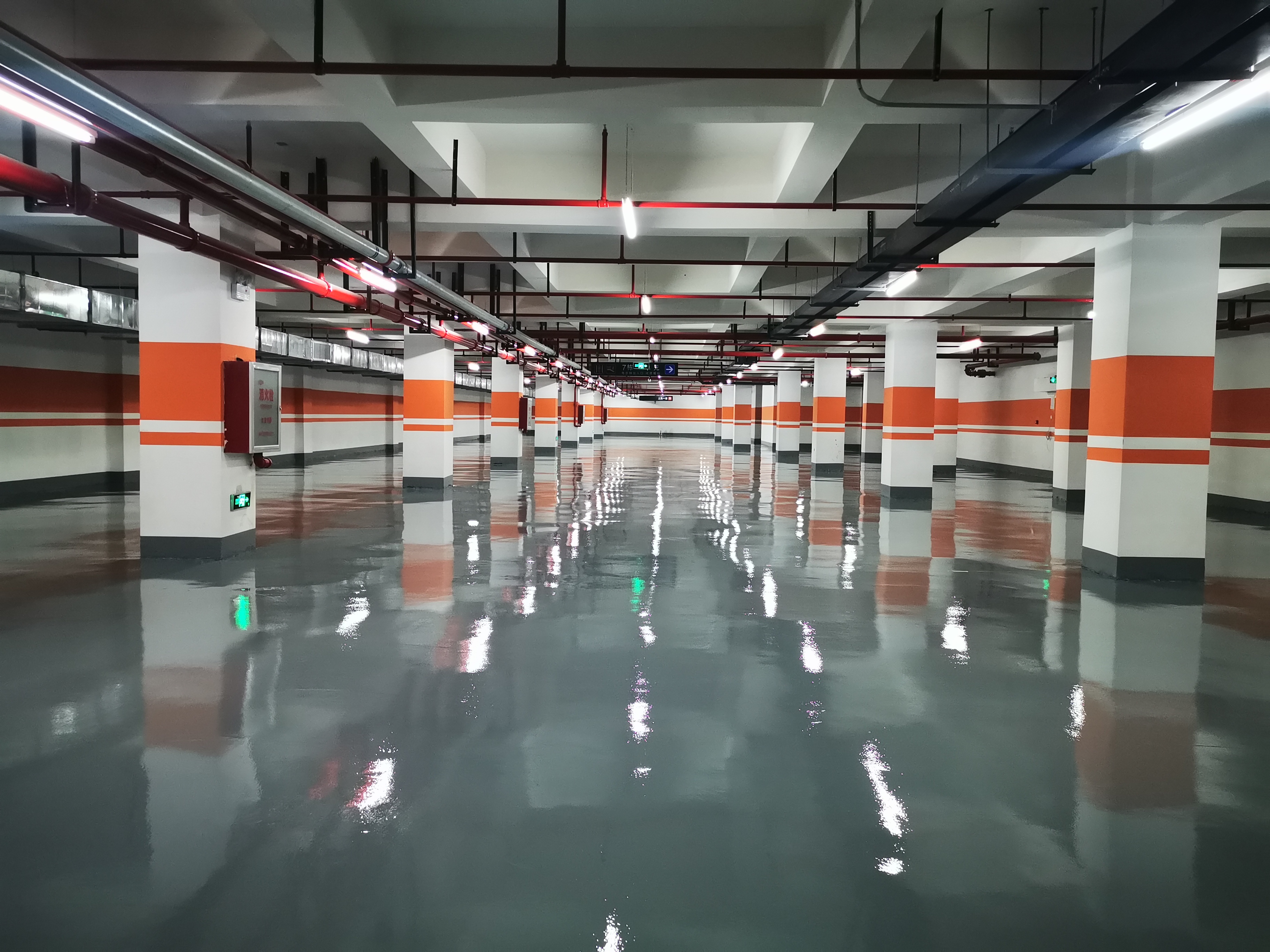
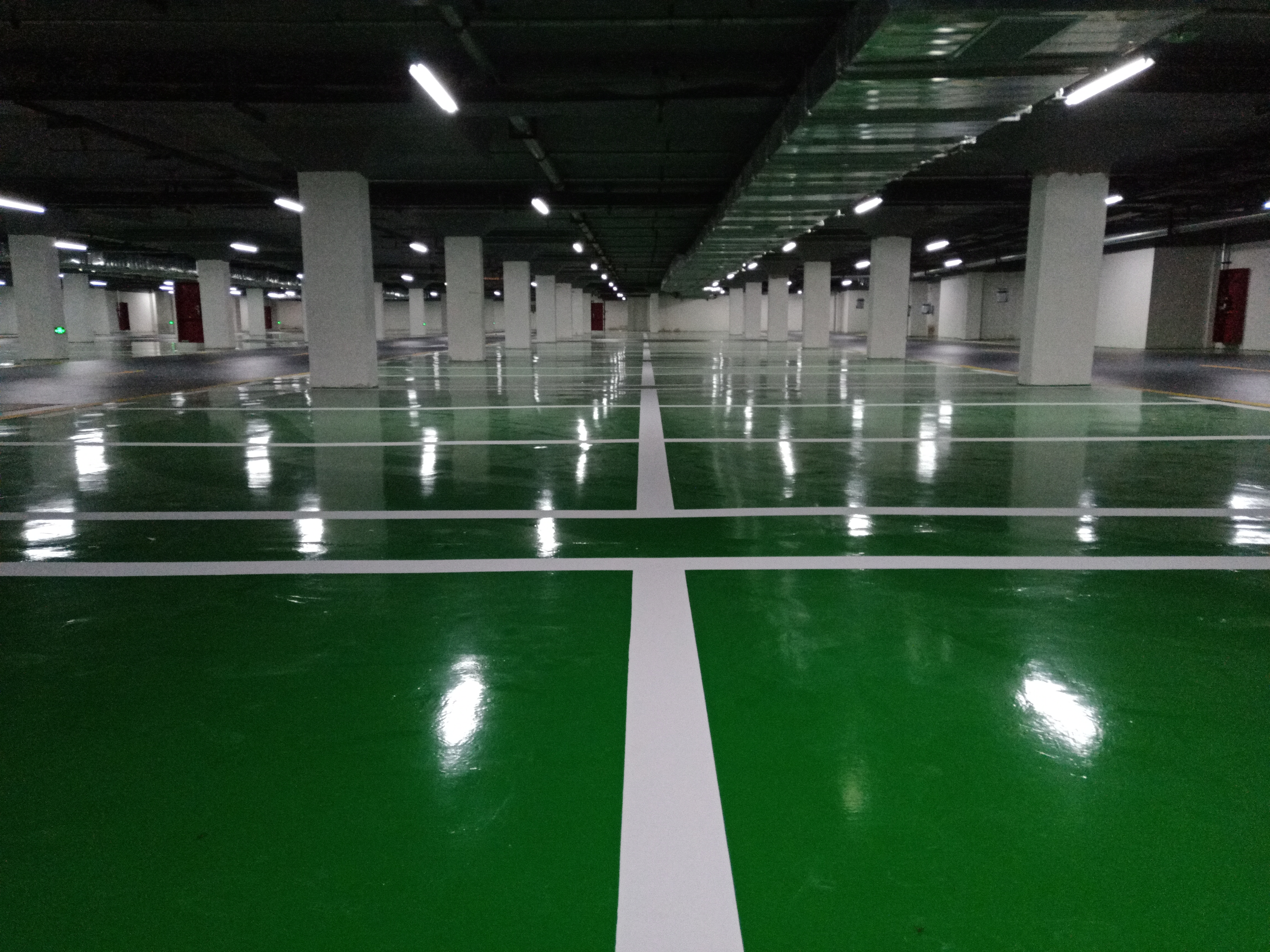
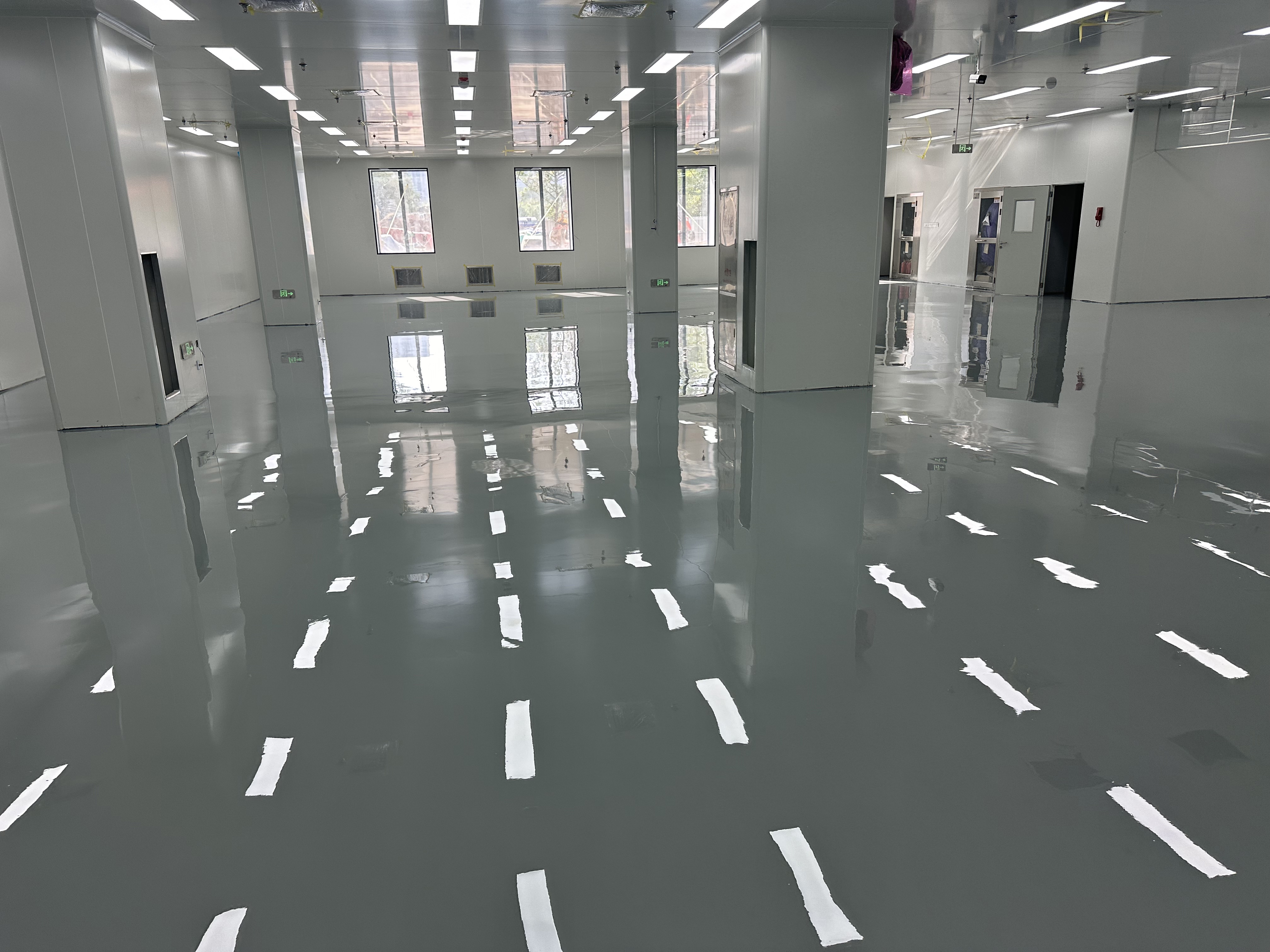
Smoothness: The error measured with a 2m straightedge should be ≤2mm. The surface should be free of bubbles, runs, and color differences, ensuring a self-leveling mirror finish.
Corrosion Resistance: After soaking in a 10% sulfuric acid/sodium hydroxide solution for 24 hours, the paint film should show no discoloration or peeling.
IV. Acceptance Standards and Precautions
Standard Basis: Refer to the "Code for Construction and Acceptance of Antistatic Flooring" (SJ/T 31469-2017) and design document requirements.
Environmental Requirements: The ambient temperature during testing should be between 15-30℃, and the humidity ≤75%, to avoid fluctuations in resistance value caused by temperature and humidity.
Regular Re-inspection: After commissioning, the antistatic performance should be checked quarterly. If the surface resistance exceeds 10¹⁰Ω or damage is found, it must be repaired promptly.
Through comprehensive testing from materials and construction to the finished product, the static discharge function of the epoxy antistatic self-leveling flooring can be ensured to maintain stability, while also guaranteeing its wear-resistant and aesthetically pleasing practical characteristics, providing a reliable flooring solution for precision electronic environments.