Key Differences Between Epoxy Terrazzo and Water-Based Terrazzo
As common flooring materials, epoxy terrazzo and water-based terrazzo differ significantly in their material composition, performance characteristics, appearance design, and application scenarios. Here is a summary of the key differences:
Binding Material: Epoxy terrazzo uses epoxy resin as a binder, combined with natural or artificial aggregates (such as marble or glass); while water-based terrazzo uses ordinary silicate cement as the main binder, mixed with gravel or glass fragments.
This fundamental difference determines the high chemical stability and bonding strength of epoxy terrazzo, while water-based terrazzo is more susceptible to environmental factors.
Physical Properties and Durability: Epoxy terrazzo has high compressive and flexural strength, strong wear resistance, and can withstand heavy rolling and mechanical wear, with a service life of 20-50 years; water-based terrazzo has poor wear resistance, is prone to cracking and sanding, and its service life is generally 5-10 years.
The toughness of epoxy resin reduces the risk of cracking caused by thermal expansion and contraction, while cement-based terrazzo has a large coefficient of expansion, making it more easily damaged.
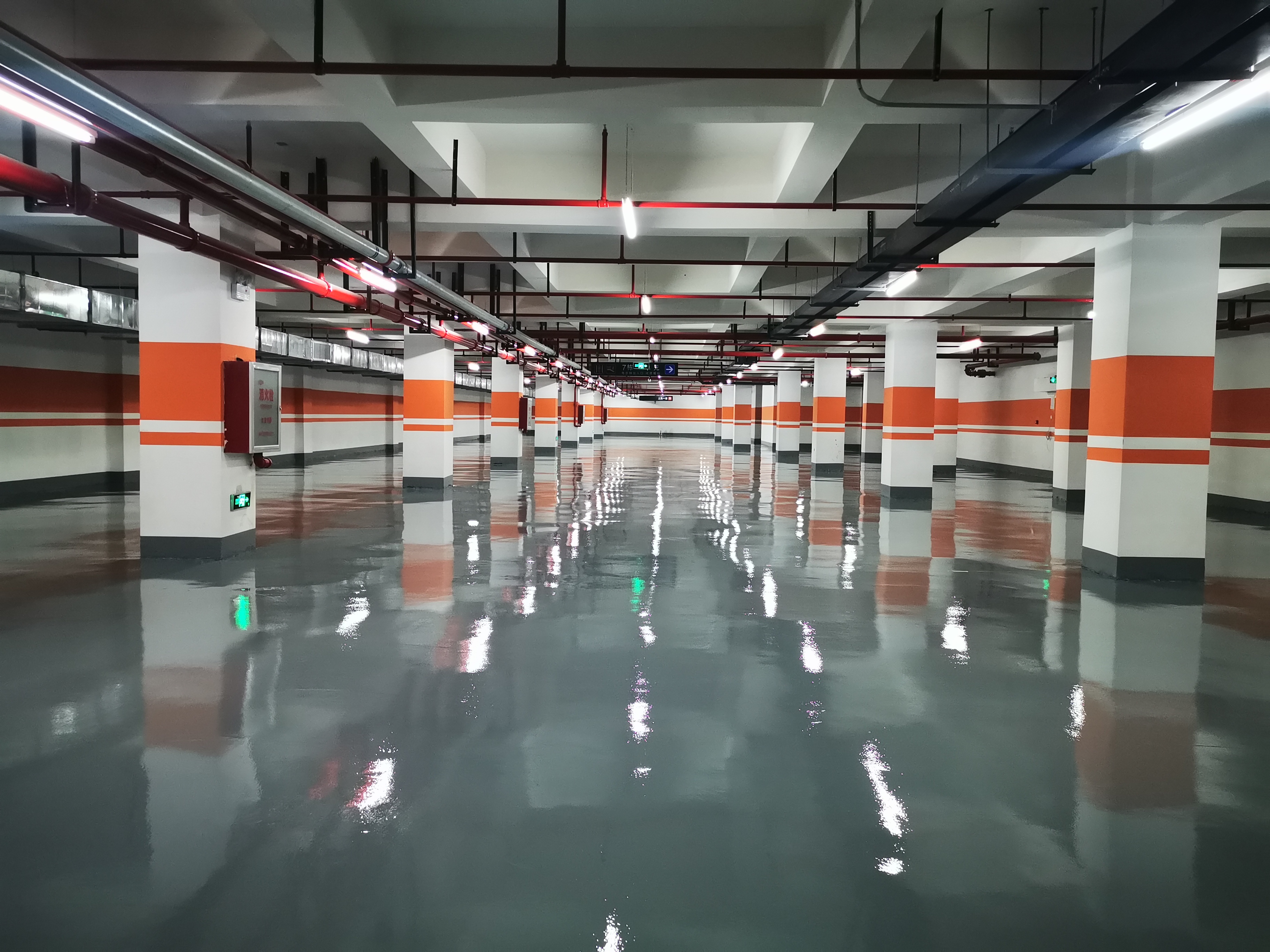
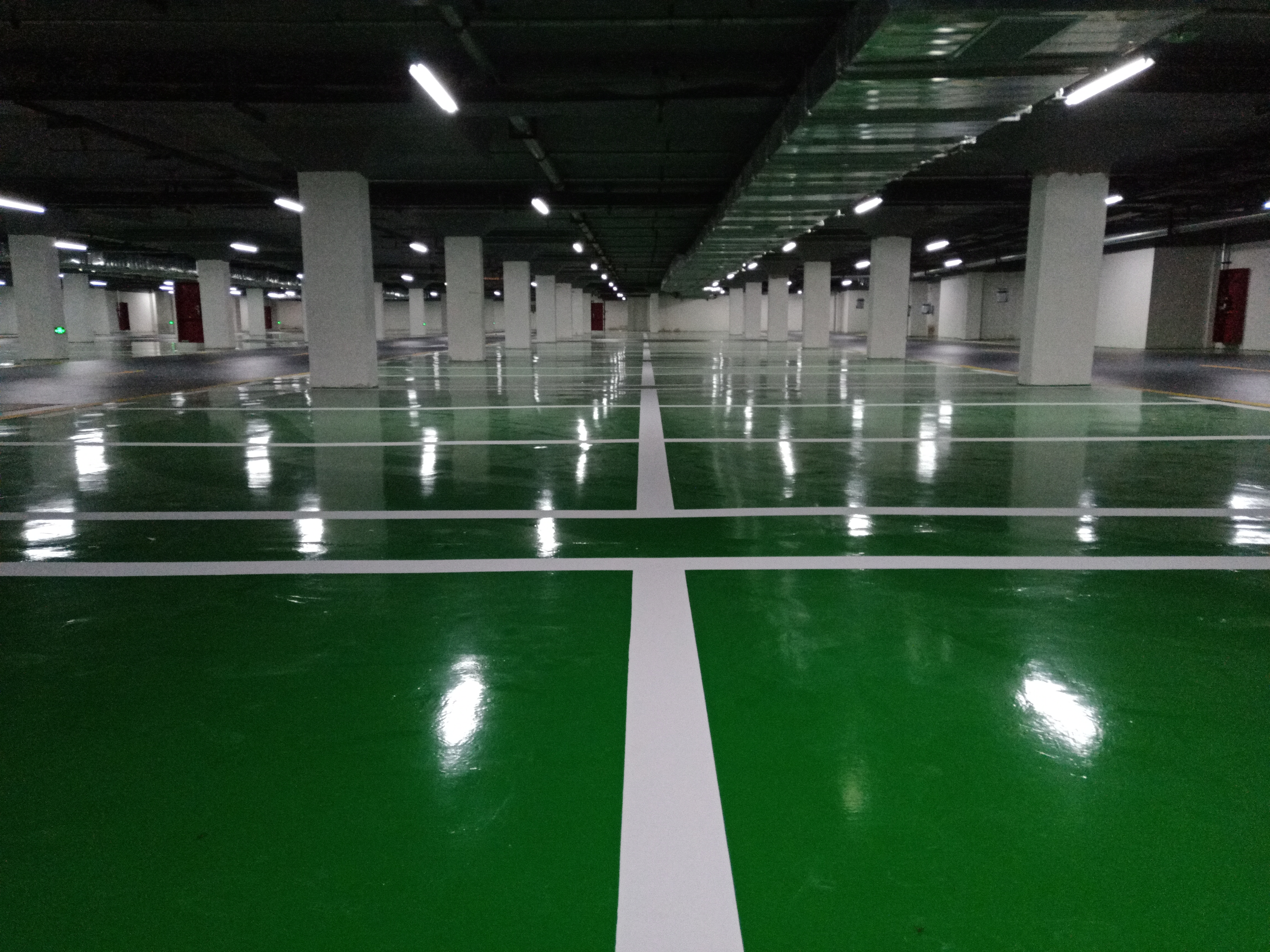
Appearance and Design Flexibility: Epoxy terrazzo boasts high gloss, achieving a mirror-like effect, and offers vibrant, rich colors, supporting complex custom patterns (such as marble-look or artistic mosaics). Terrazzo, on the other hand, has lower gloss, limited color saturation, and less clear patterns.
Color paste technology allows for a wider range of colors in epoxy terrazzo, while terrazzo is limited by inorganic pigments.
Stain Resistance and Maintenance: Epoxy terrazzo has a dense, seamless surface that resists stains and bacteria, making cleaning simple (requiring only a damp cloth or neutral detergent). Terrazzo's porous structure easily traps dirt and grime, which is difficult to remove once penetrated, requiring periodic crystallization treatment.
This characteristic makes epoxy terrazzo more hygienic, especially suitable for environments with high cleanliness requirements.
Application Scenarios and Limitations: Epoxy terrazzo is suitable for high-end indoor spaces (such as airports, hotels, hospitals, and shopping malls), but it is not UV resistant and is prone to oxidation and discoloration when used outdoors. Terrazzo is more fire-resistant and suitable for factories, outdoor areas, or areas with high fire safety requirements (such as escape routes), but its decorative appeal is limited.
Epoxy terrazzo emphasizes artistic and commercial value, while terrazzo focuses on economy and versatility.
* Construction Process and Cost: Epoxy terrazzo is complex to install, requiring multiple grinding and polishing operations by a professional team, resulting in a higher price. Terrazzo is simpler to install, relies heavily on experience, and is relatively inexpensive.
Epoxy resin has good environmental performance, but may yellow under high temperatures; terrazzo has a high fire resistance rating, but maintenance costs are higher.
In summary, epoxy terrazzo has significant advantages in aesthetics, durability, and ease of maintenance, making it more suitable for projects pursuing high-end designs; terrazzo excels in economy, practicality, and fire resistance, making it suitable for budget-conscious or outdoor environments.