
How to Properly Install Epoxy Floor Paint on Concrete Surfaces?
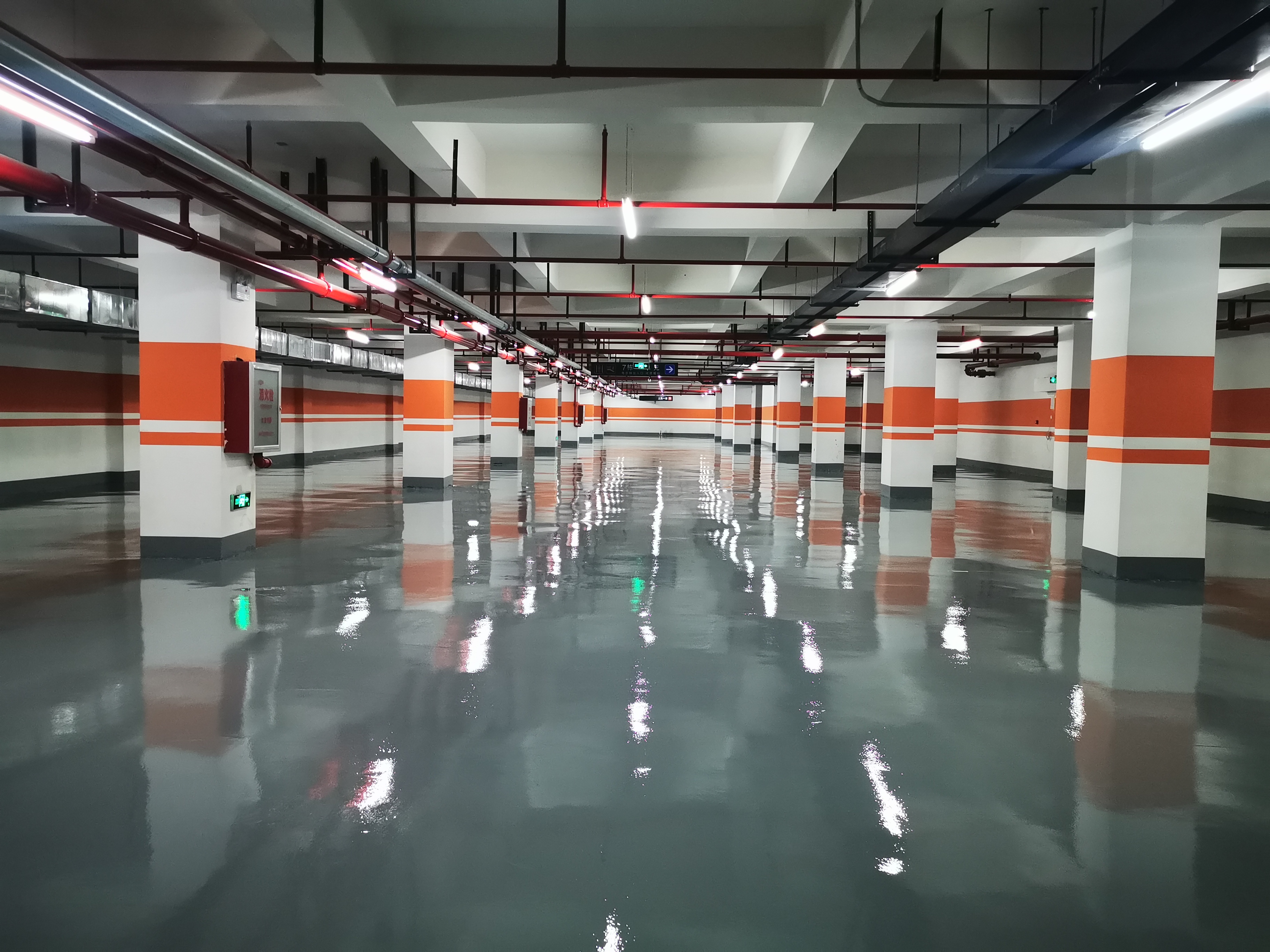
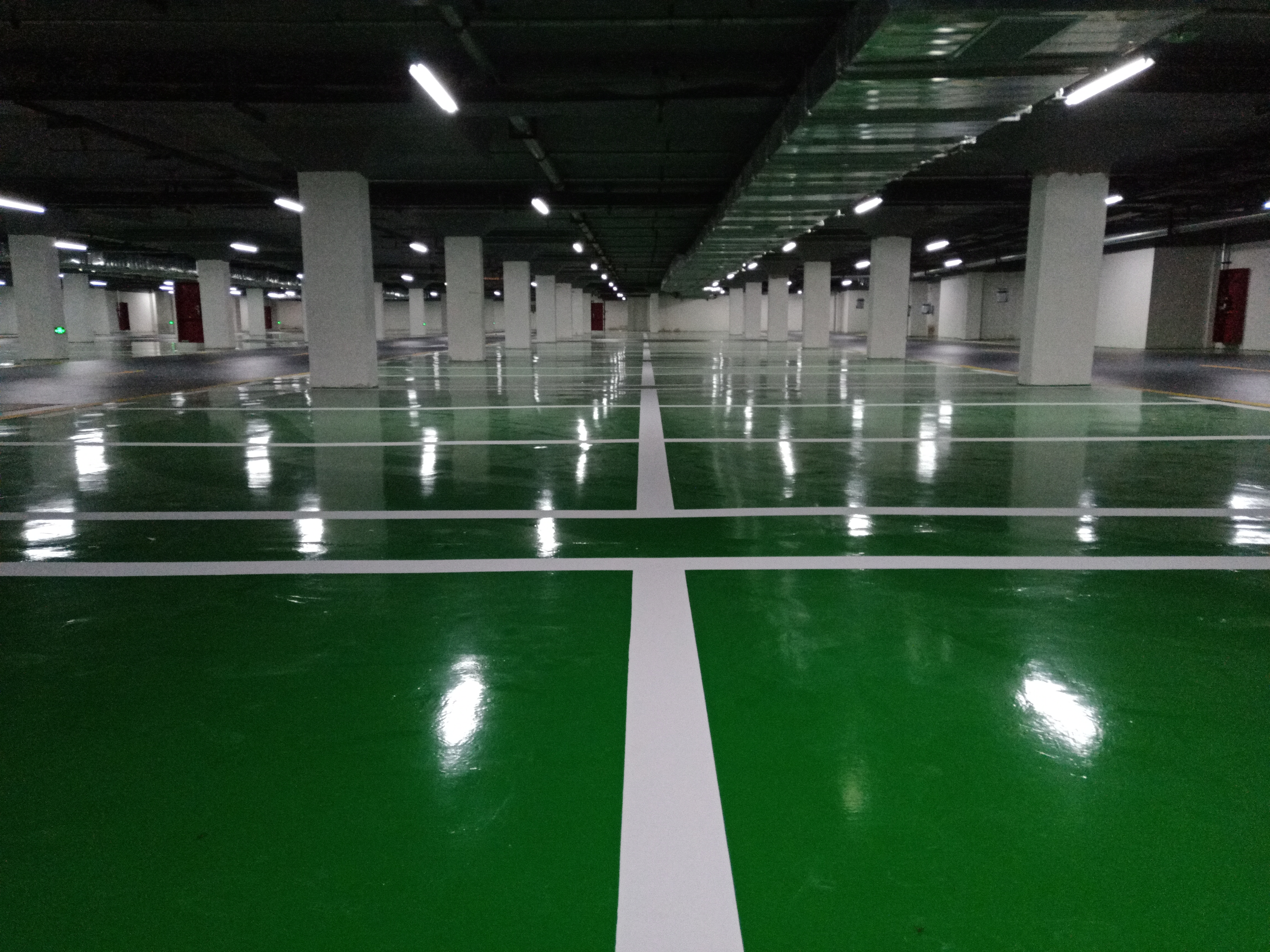
Epoxy floor coatings are one of the most reliable ways to refresh and protect concrete surfaces. Available in many colors and finishes, epoxy can be applied in multiple layers to create a smooth, seamless, and long-lasting floor.
Because epoxy bonds tightly to concrete, it resists moisture, chemicals, grease, tire marks, and everyday wear. This strength makes it an ideal choice for areas like garages, workshops, and basements—spaces that often deal with heavy use or dropped tools.
If you want your epoxy flooring project to turn out the right way, here’s a clear step-by-step guide to help you achieve a durable professional-quality result.
What Is Epoxy?

Epoxy floor paint is a durable, resin-based coating made by mixing two components together before application. It commonly comes in three formulations: high-solids, solvent-based, and water-based.
High-Solids Epoxy:
This version contains a high level of solids such as binders and pigments, meaning fewer volatile organic compounds. It produces a thick, durable layer with excellent longevity.
Solvent-Based Epoxy:
This type includes added solvents that evaporate as the product cures. Compared to water-based options, solvent-based epoxy offers strong bonding power and is especially resistant to petroleum-contaminated concrete.
Water-Based Epoxy:
Water-based epoxy forms a tough film that resists water, oil, solvents, gasoline, and most household chemicals. It’s known for its superior abrasion resistance, impact resistance, and overall performance.
How to Apply Epoxy Floor Paint to Concrete
1. Clean the Concrete Surface
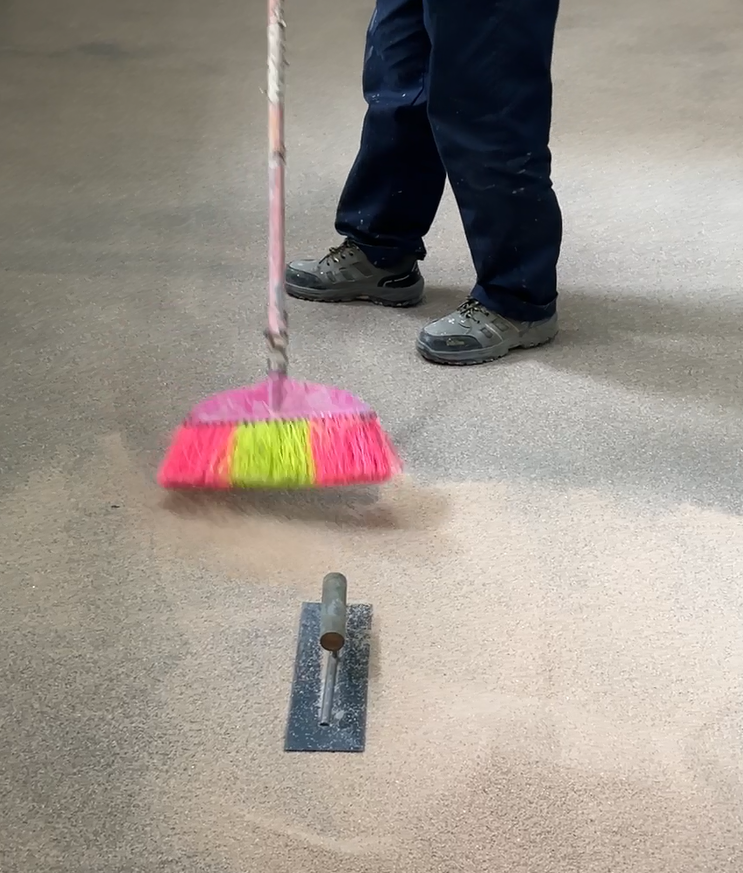
New concrete should cure for at least 30 days. Remove all dirt, dust, mildew, loose material, wax, and grease using a scraper, stiff brush, or detergent solution. Pressure washing is fine, but keep the pressure below 1,750 psi to avoid damaging the slab.
Remember: concrete holds moisture like a sponge, so allow it to dry completely before moving on.
2. Etch the Concrete
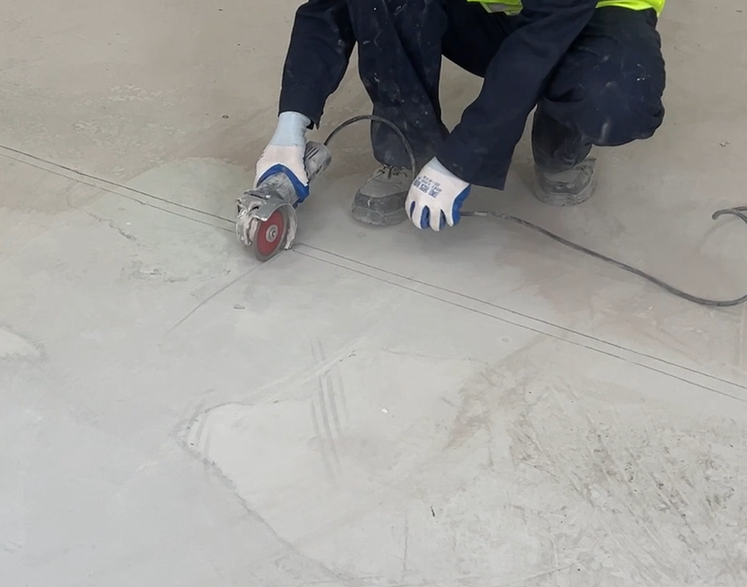
Etching roughens the concrete so the coating can grip better. Traditional muriatic acid is effective but harsh to work with.
A safer alternative is SPR Paint Etch, which activates only after mixing with water.
Before applying the etching solution, wear safety goggles and chemical-resistant gloves. Wet the surface, mix 12 ounces of etch with one gallon of warm water, and scrub the concrete using a stiff brush. Work in small sections and rinse continuously until all contaminants are lifted.
When dry, the floor should feel similar to medium-grit sandpaper. Make sure no residue remains before coating.
3. Prepare the Room for Painting
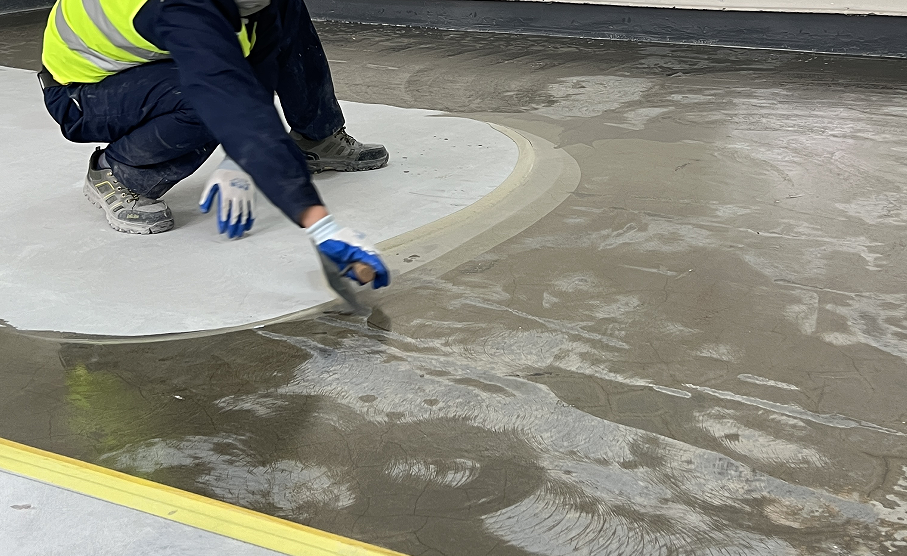
Repair cracks and holes with a cement-based patching compound and allow the patched areas to dry completely. Remove any peeling paint and treat mildew with a suitable cleaner.
Avoid applying epoxy over surfaces previously coated with two-part epoxy unless those coatings are fully removed. Do not attempt to etch painted surfaces.
4. Mix and Apply the First Coat of Epoxy
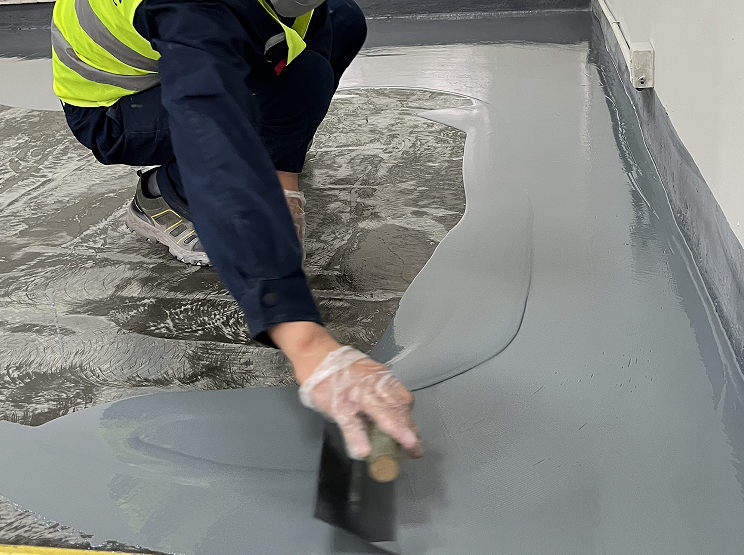
Before you begin:
Ensure the temperature is at least 50°F (10°C).
Choose a rain-free, dry weather window.
Do not thin the epoxy.
Use a 3/8-inch nap roller or a nylon/polyester brush.
Avoid painting surfaces that have been heated by the sun.
Provide good ventilation.
Apply an even, smooth coat. Wait at least four hours before applying the next layer. Cooler or more humid conditions will extend drying time.
5. Apply the Second Coat
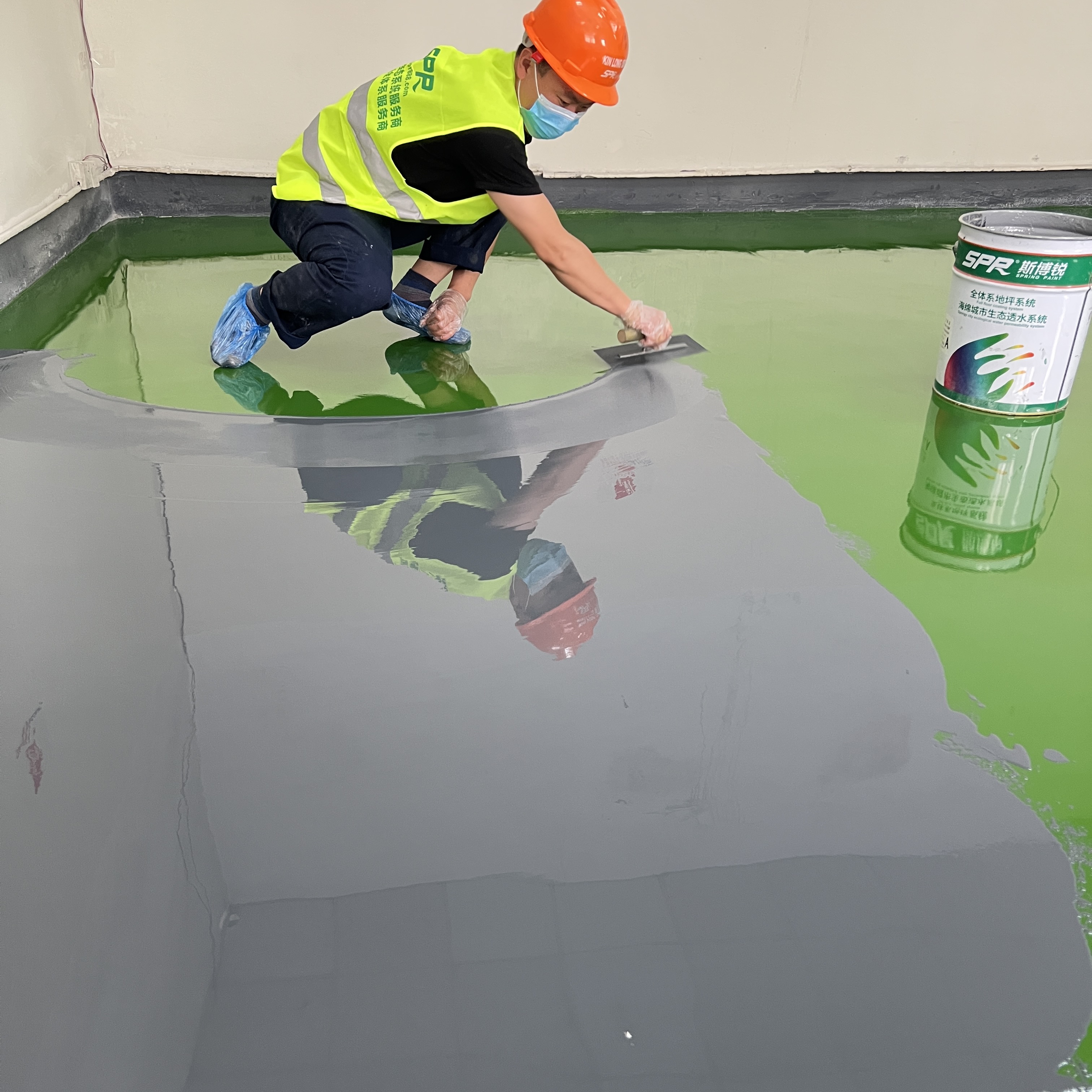
After the first coat dries, apply the second coat perpendicular to the first. This helps ensure a uniform finish.
Use no more than two coats. If using multiple containers, mix them together first to maintain color consistency.
6. Optional: Coat the Baseboards
For added protection and a cleaner finished look, you can apply the same epoxy floor paint along your garage or basement baseboards.
Link to this article:https://sprcoating.com/news/epoxy-basement-floor_145.html