Epoxy Flooring Daily Maintenance Guide
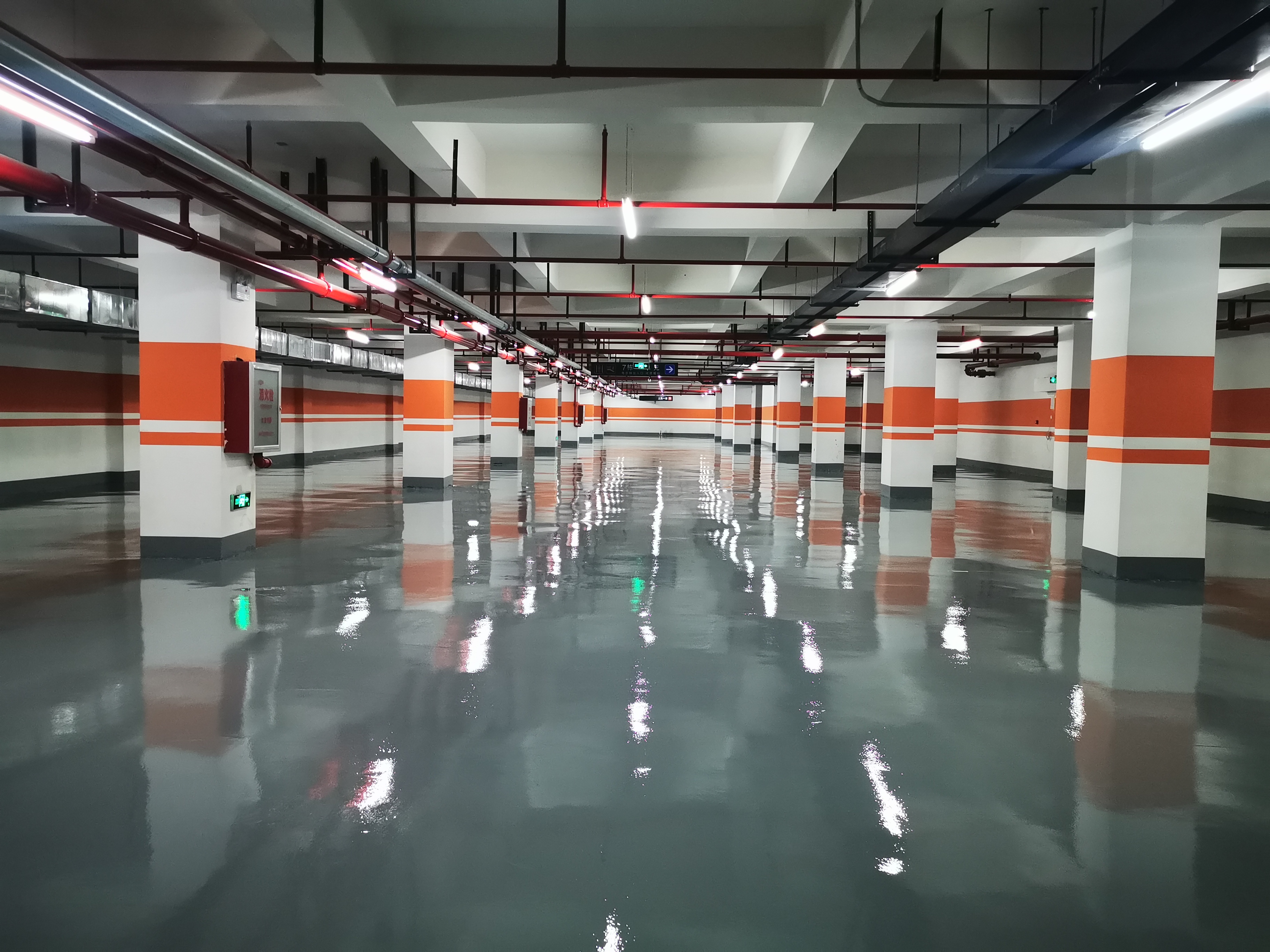
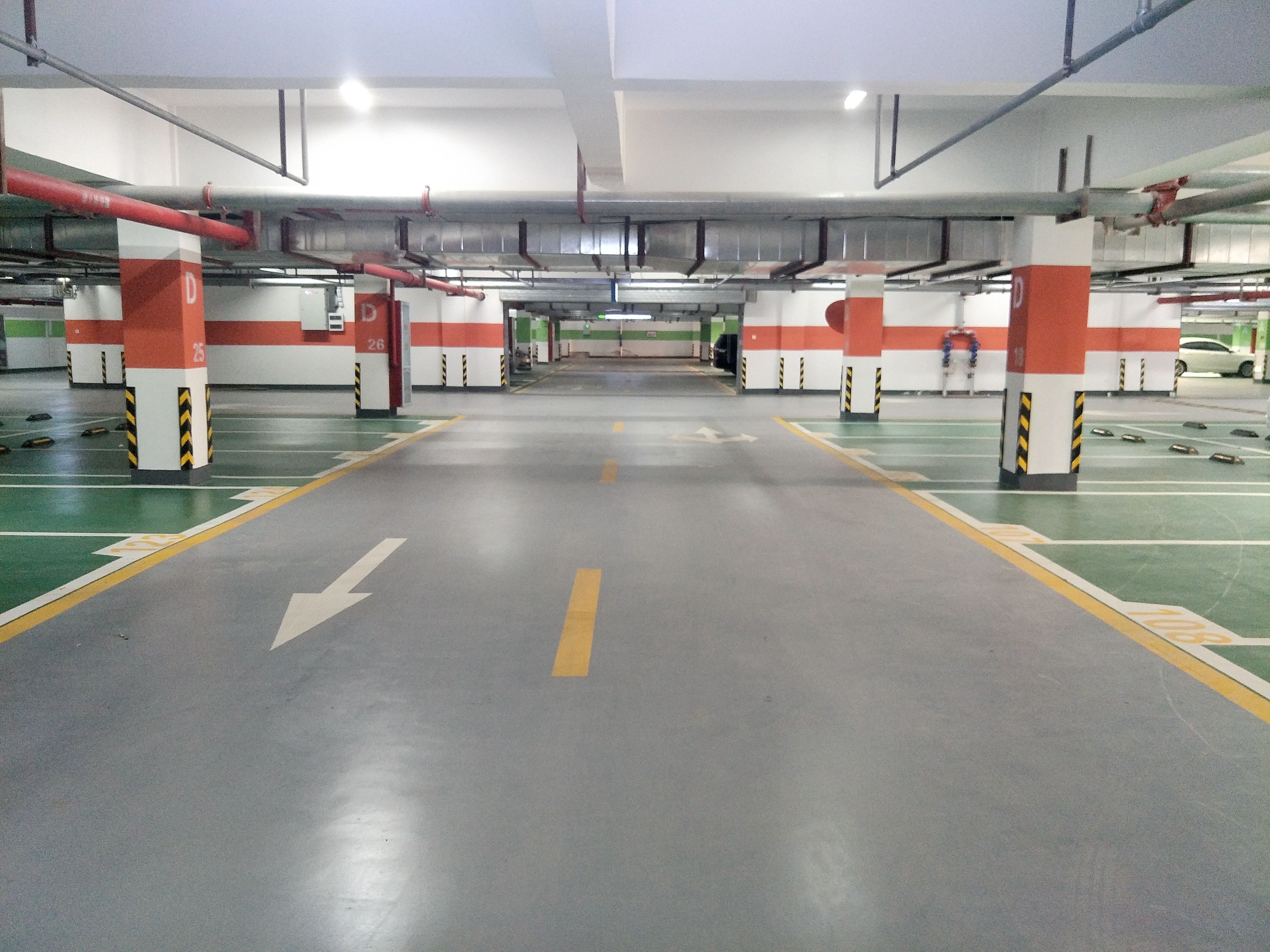
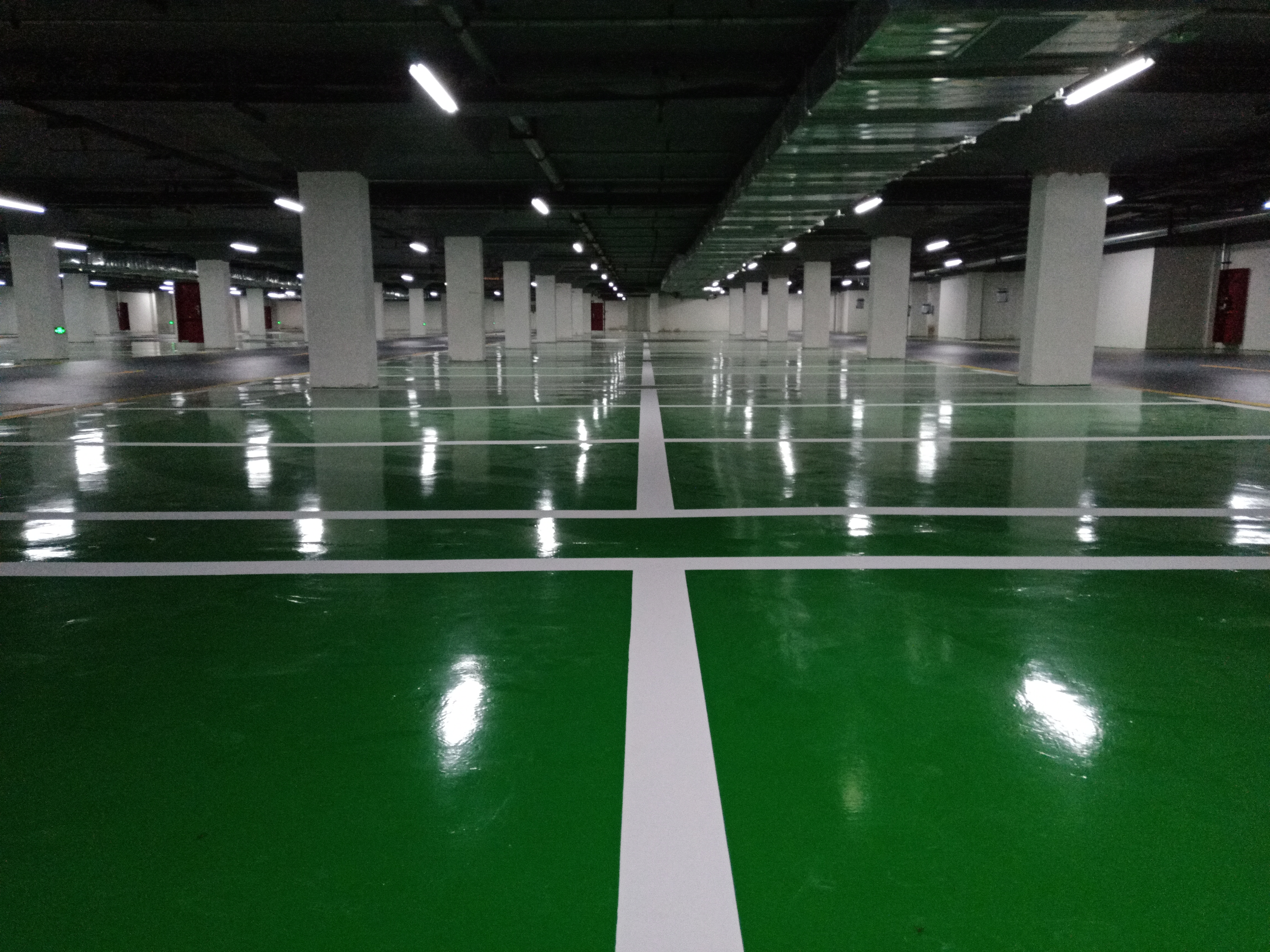
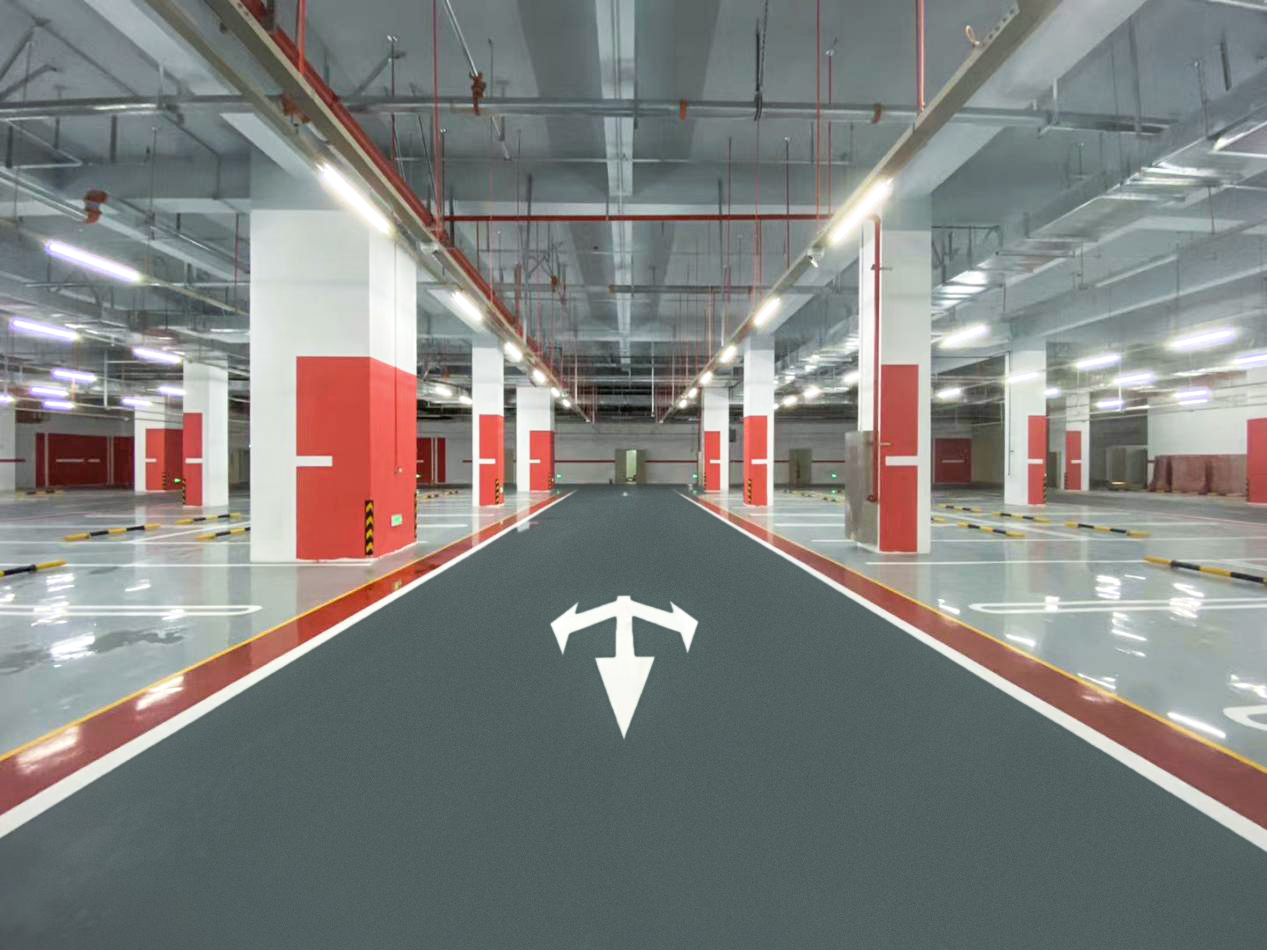
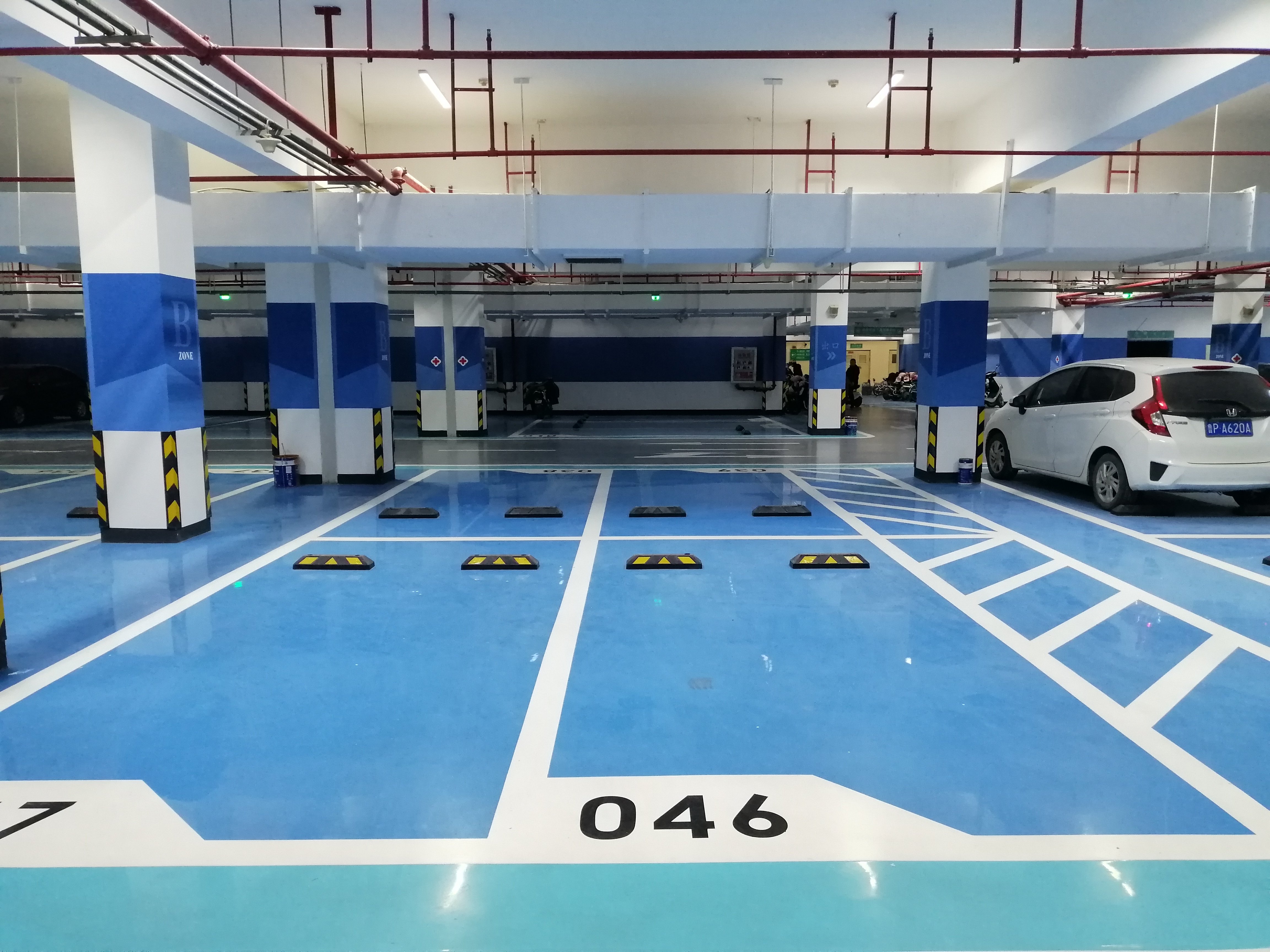
Epoxy flooring, with its beautiful appearance, wear resistance, and easy cleaning, is widely used in industrial plants, commercial spaces, and underground parking garages. However, without proper daily maintenance, the performance and appearance of epoxy flooring will deteriorate rapidly. Mastering the correct maintenance methods can not only keep the floor clean and beautiful but also significantly extend its service life and reduce maintenance costs for businesses. The following details the key points of daily maintenance for epoxy flooring from multiple perspectives.
I. Daily Cleaning: The Foundation for Keeping the Floor Clean
(I) Basic Cleaning
Use a soft broom, vacuum cleaner, or clean mop daily to promptly sweep away dust, sand, and debris from the floor. Pay special attention to corners and areas around equipment where dust easily accumulates. These small particles can act like sandpaper, abrading the floor surface and causing scratches when pedestrians or vehicles pass by.
(II) Stain Removal
If oil, water, paint, or other stains are found on the floor surface, they should be treated immediately. For water-based stains, wipe with a clean, damp cloth. For oil stains, use a neutral detergent and a soft cloth to gently wipe, then rinse thoroughly with clean water and finally dry with a dry cloth to avoid detergent residue corroding the floor. Never use abrasive tools such as steel wool or hard-bristled brushes, as these can damage the epoxy coating.
II. Standard Use: The Core of Reducing Floor Wear
(I) Personnel Management
Personnel entering epoxy flooring areas should change into soft-soled shoes and avoid walking in high heels or spiked shoes. High heels create concentrated stress, and spiked shoes can directly scratch the floor surface, causing permanent damage. Also, remind personnel to avoid dragging tables, chairs, and equipment on the floor. If moving is necessary, add soft padding or use carrying tools.
(II) Vehicle Control
In industrial plants or garages where vehicles frequently enter and exit, the speed of heavy vehicles should be limited to avoid sudden braking and sharp turns. The high temperature and pressure generated by the friction between the tires and the ground of heavy vehicles will accelerate floor aging and deformation. In addition, forklifts and other handling vehicles should use rubber tires whenever possible, and their condition should be checked regularly to prevent sharp objects from embedding in the tires and scratching the floor.
III. Protective Measures: Effective Means of Preventing Damage
(I) Laying Protective Mats
In areas prone to wear, such as equipment operating platforms, loading and unloading areas, and entrances/exits, lay protective materials such as rubber mats and plastic mats to cushion the impact of falling items or vehicles driving over the floor. For example, laying oil-resistant and anti-slip rubber mats in the machining area of the workshop can prevent oil penetration and reduce damage caused by falling parts.
(II) Setting Up Warning Signs
Set up clear warning signs in epoxy flooring areas, such as "No Heavy Pressure," "Caution: Slippery," and "Speed Limit," to remind personnel and vehicles to operate according to regulations. In chemical storage areas, clear signage should be provided to prevent chemical leaks from corroding the floor, and emergency response equipment and materials should be available for timely response to emergencies.
IV. Regular Inspection and Maintenance: Timely Repair of Potential Problems
(I) Daily Inspection
Assign dedicated personnel to regularly inspect the epoxy flooring, focusing on checking for cracks, peeling, bulging, etc. Record and address any problems immediately. For minor scratches and wear, use specialized epoxy floor repair paint; for large-area damage, contact a professional repair team.
(II) Deep Maintenance
Every 3-6 months, perform deep maintenance on the epoxy flooring. Use professional floor wax to apply a protective film, enhancing the floor's wear resistance and stain resistance, while also making the surface brighter and more aesthetically pleasing. Before waxing, ensure the floor is clean and dry, apply the product evenly according to the instructions, and polish after drying.
Daily maintenance of epoxy flooring requires a multi-pronged approach, including cleaning, proper use, protection, and regular maintenance, combining prevention and repair. Through scientific and reasonable maintenance measures, epoxy flooring can not only maintain its good condition and beautiful appearance, but also create a clean and safe working environment for enterprises, achieving a win-win situation for both economic and environmental benefits.