
How to Apply a Concrete Sealer to a Garage Floor?
When it comes to protecting and improving a garage floor, choosing the right concrete sealer is an essential decision. A well-selected sealer not only shields the surface from damage but also enhances its overall appearance and usability. This comprehensive guide explains the different types of concrete sealers suitable for garages, how to choose the right one, and how to apply and maintain it for long-lasting results.
Why a Quality Concrete Sealer Matters for Garage Floors
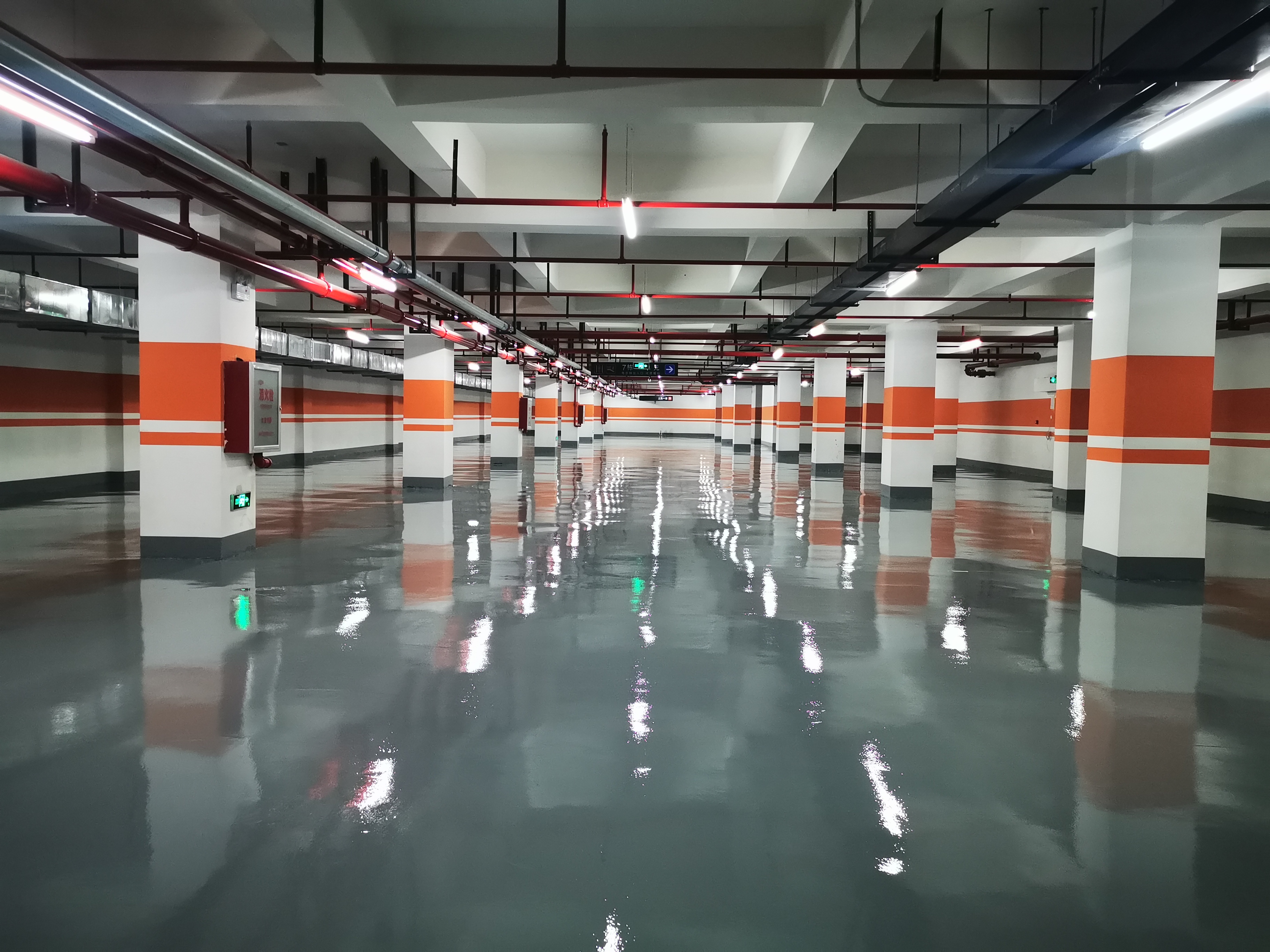
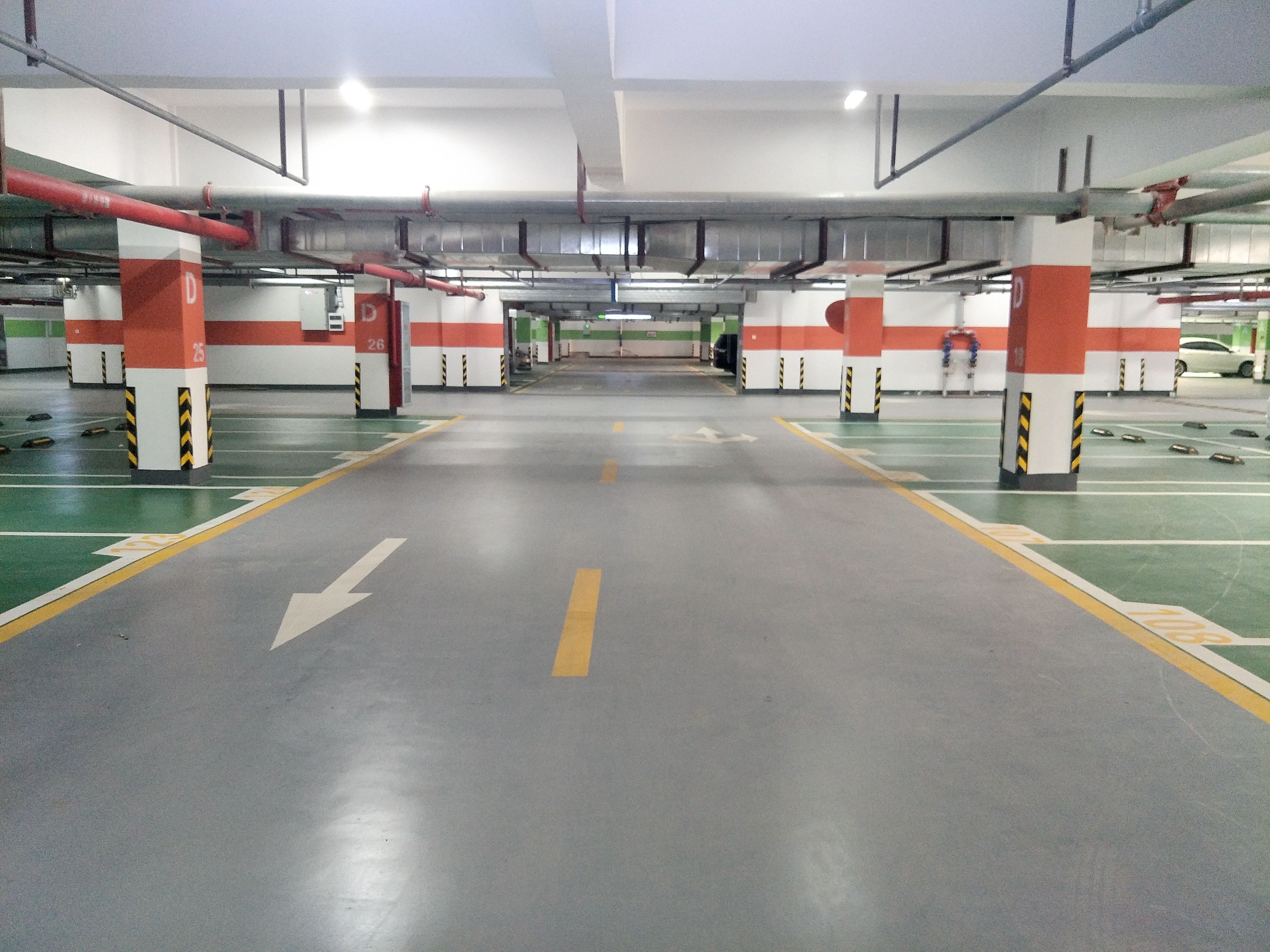
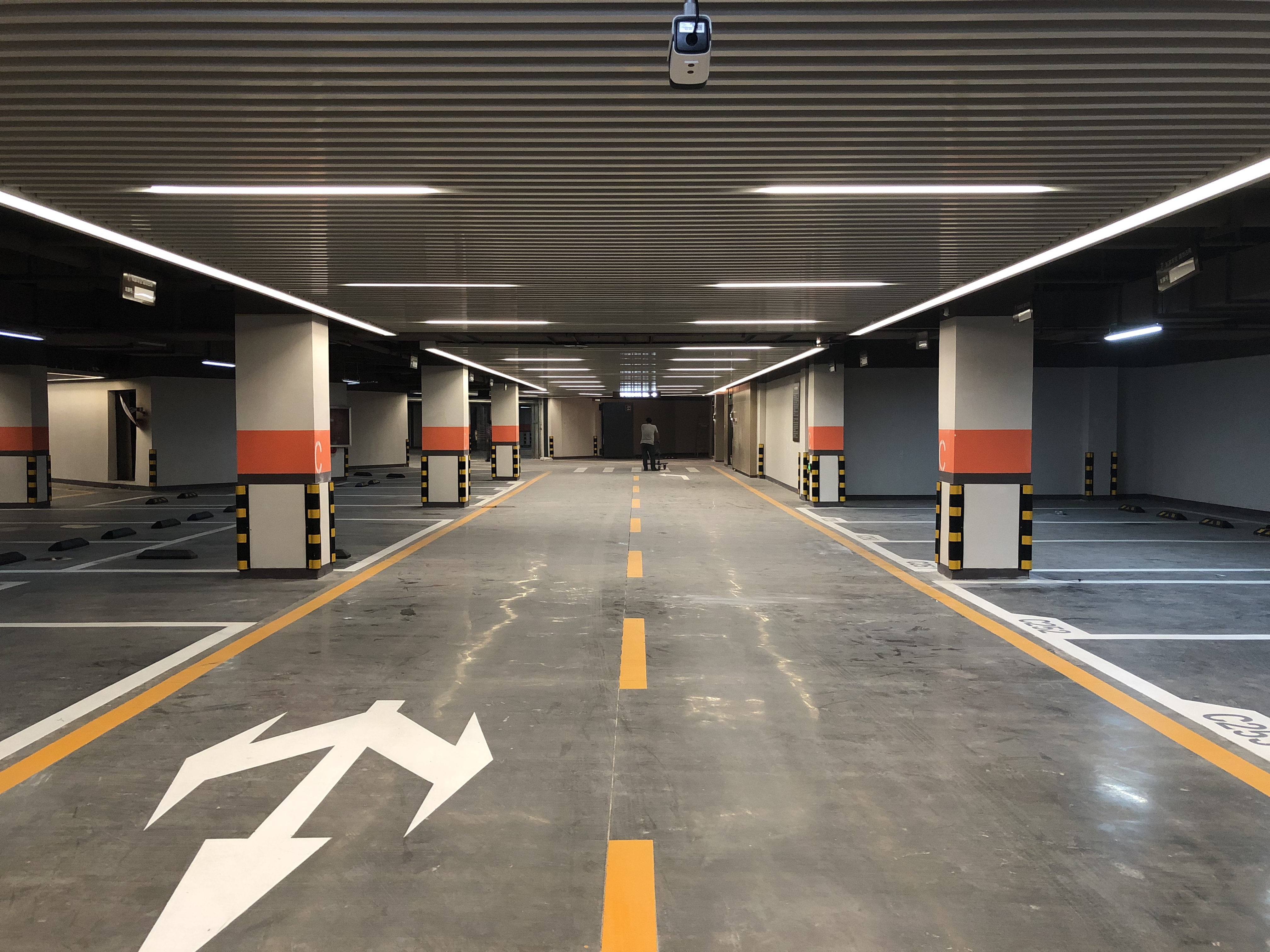
Garage floors are exposed to constant stress, including vehicle traffic, chemical spills, moisture, and temperature changes. A reliable concrete sealer acts as a protective barrier, preventing stains, surface wear, and structural deterioration. Beyond protection, the right sealer can dramatically improve the look of the concrete, making the garage cleaner, brighter, and easier to maintain.
Advantages of Using a High-Performance Garage Floor Sealer
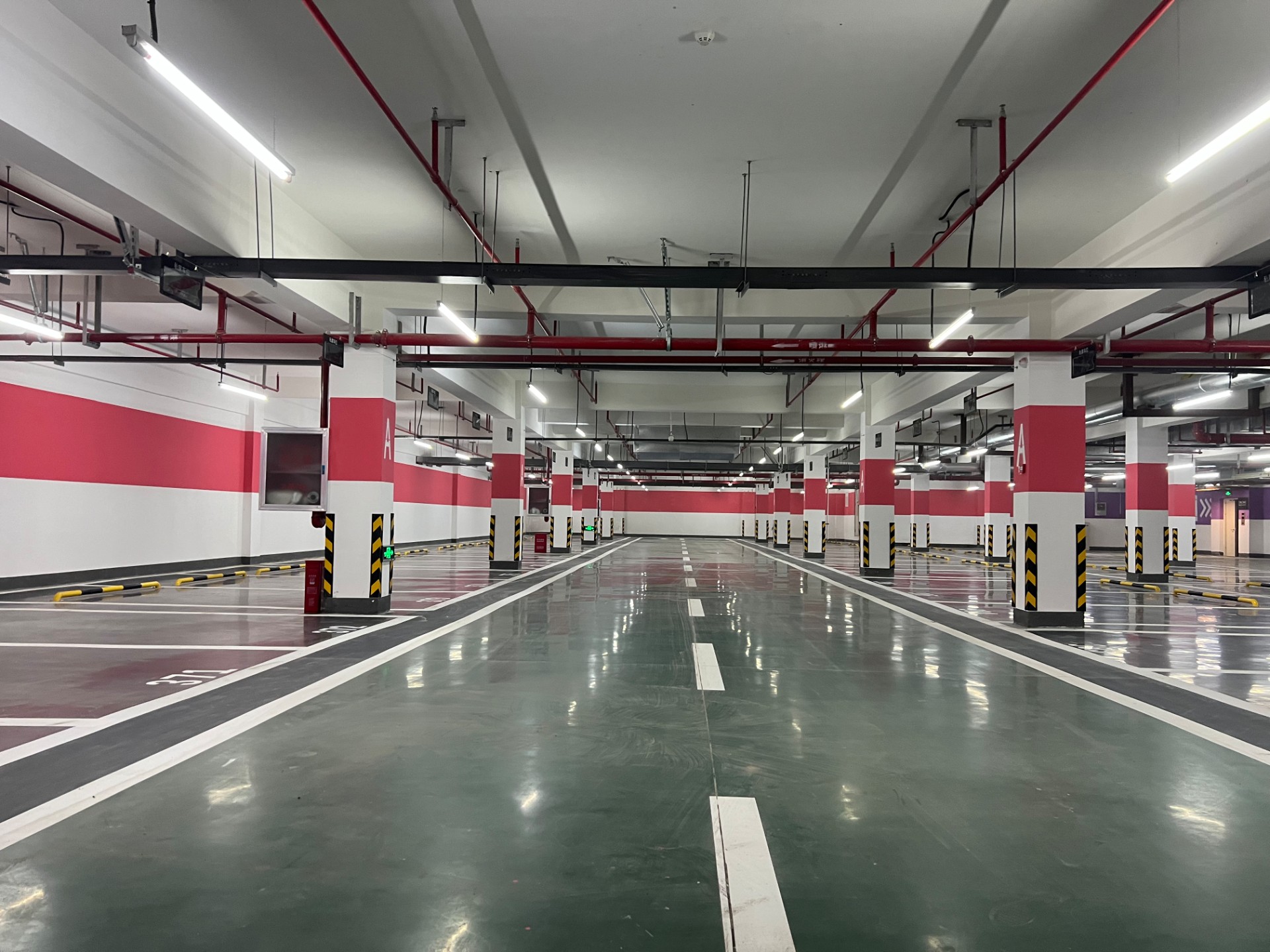
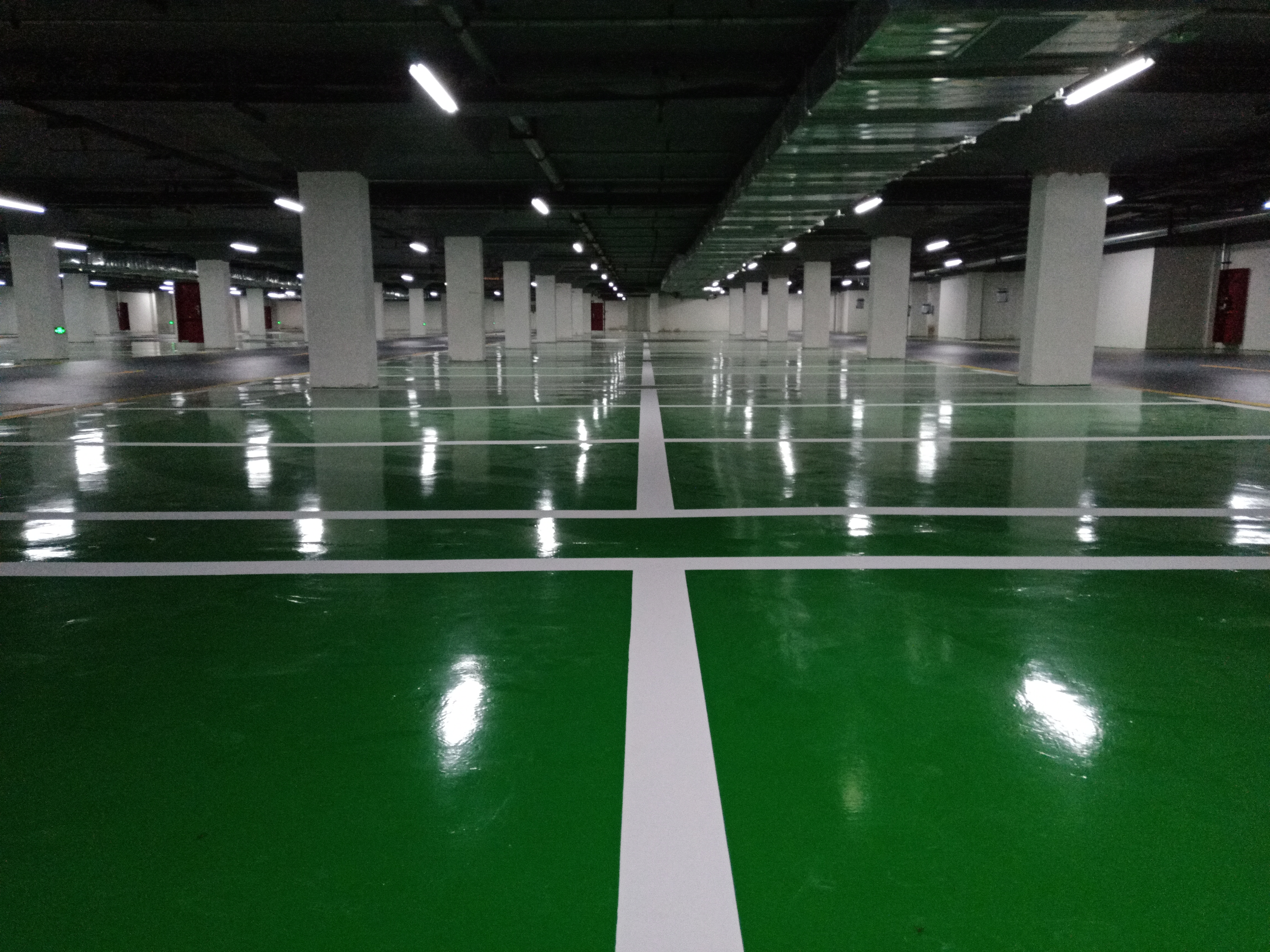
Applying a high-quality concrete sealer to your garage floor offers several clear benefits. It helps resist oil, grease, and chemical spills that commonly occur in garages. The sealed surface is more durable, reducing abrasion, cracking, and surface dusting. Moisture resistance is another major advantage, as it prevents water penetration that can weaken concrete over time. In addition, sealers can enhance the natural color of concrete or provide a smooth, glossy finish for a more polished appearance.
What to Look for When Choosing a Garage Concrete Sealer
Several factors should guide your selection. The type of sealer is critical, as different formulas offer varying levels of durability and visual appeal. Ease of application is also important, especially for homeowners planning a DIY project. Drying and curing time may influence your choice if the garage needs to be put back into use quickly. Environmental considerations matter as well, so low-VOC products are recommended for safer indoor use.
Common Types of Concrete Sealers for Garage Use
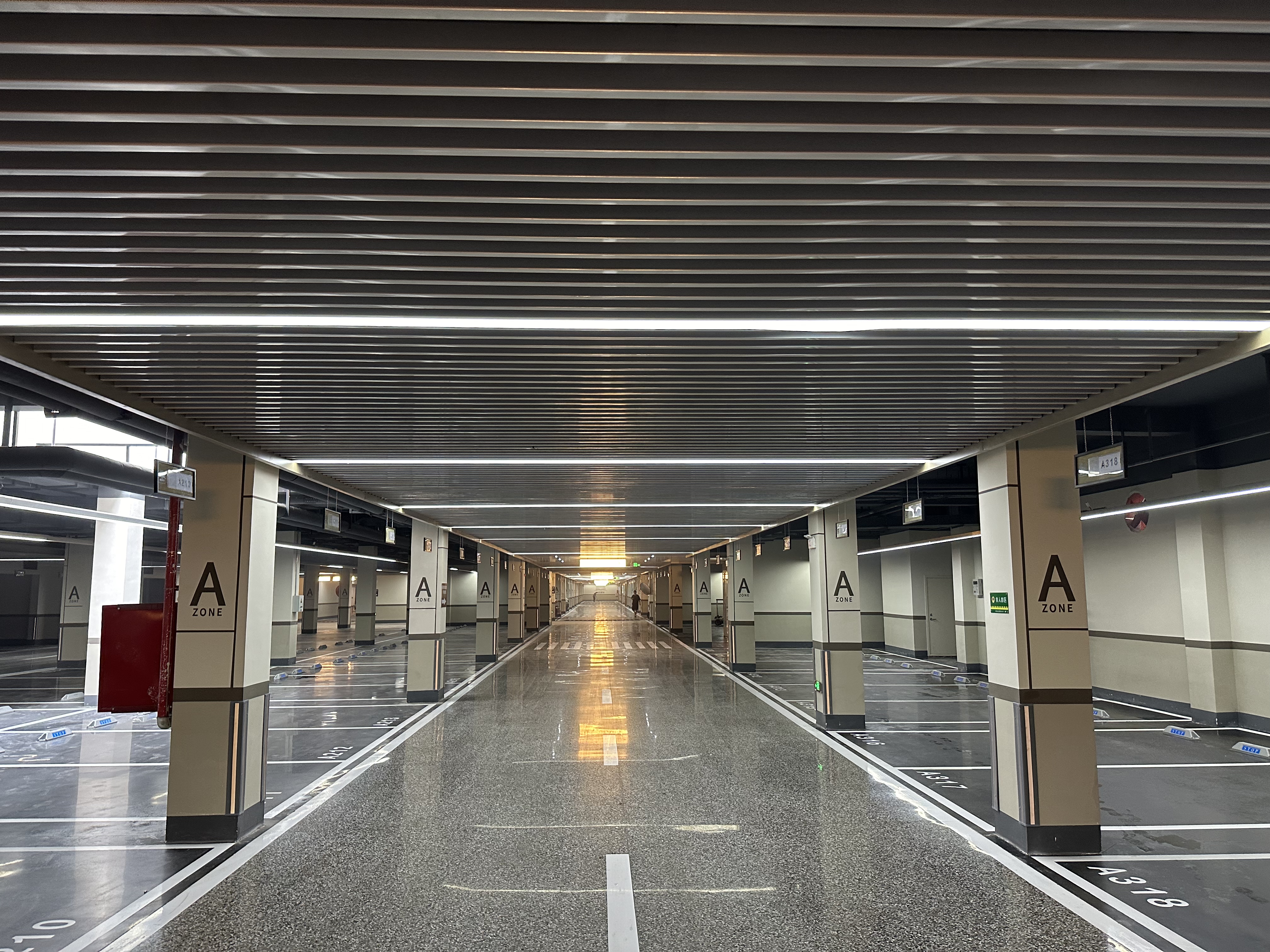
Acrylic sealers are popular for their affordability and ease of application, making them a practical option for light-duty garages. Epoxy sealers are known for exceptional durability and chemical resistance, making them ideal for garages with heavy vehicle traffic or frequent spills. Polyurethane sealers offer superior protection and flexibility, performing well in garages exposed to harsh chemicals or frequent use.
How to Apply a Concrete Sealer to a Garage Floor
Proper surface preparation is key to success. The concrete must be thoroughly cleaned to remove dirt, grease, stains, and any existing coatings. Cracks and surface damage should be repaired before sealing to ensure a smooth, even finish. The sealer should be applied according to the manufacturer’s instructions, typically using a roller or sprayer to achieve uniform coverage. Adequate curing time is essential before allowing foot traffic or vehicles back onto the surface.
Maintaining a Sealed Garage Floor
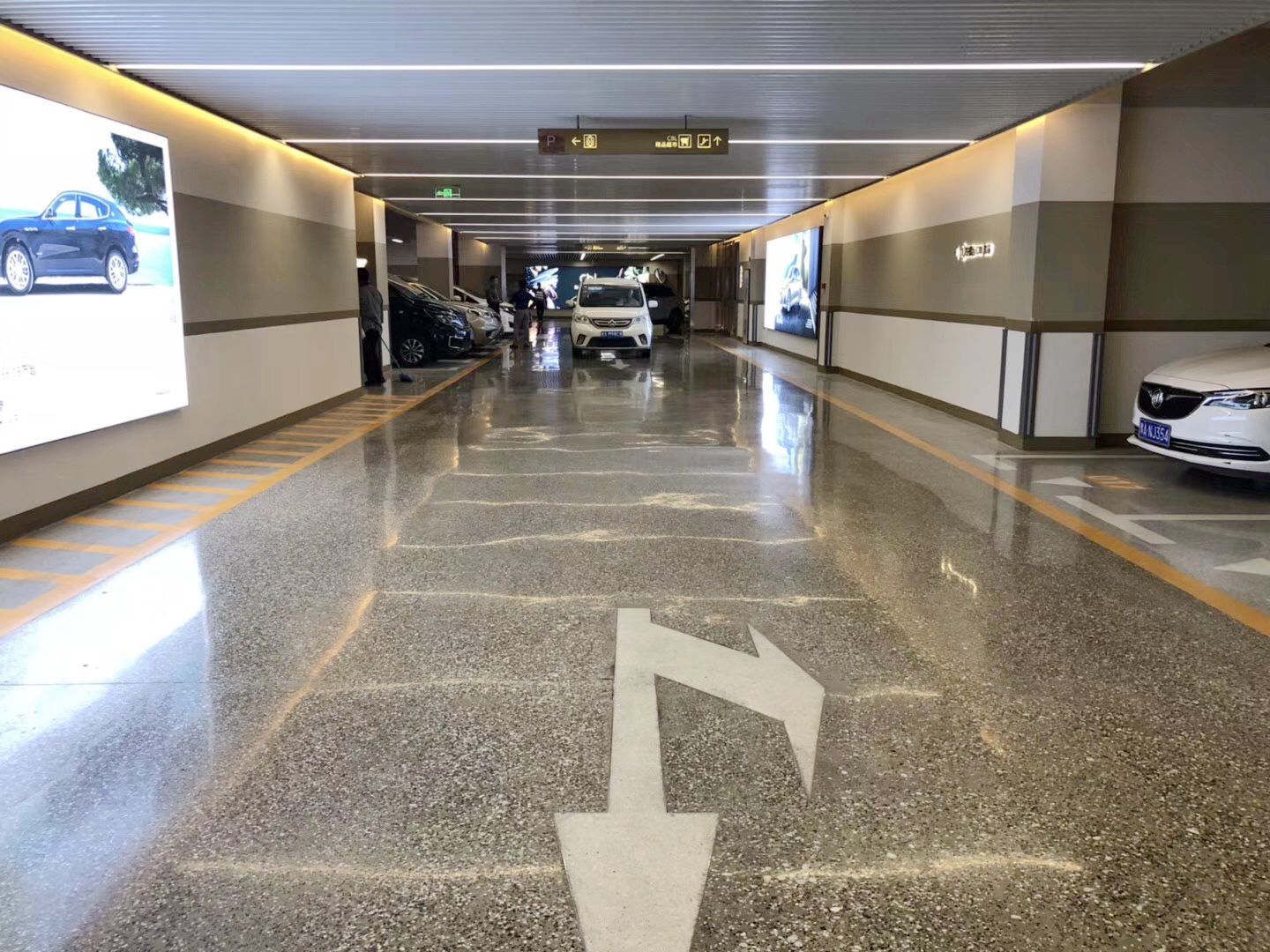
Routine maintenance helps extend the life of a sealed garage floor. Regular sweeping and gentle washing prevent dirt buildup. Spills should be cleaned immediately to avoid surface damage. Harsh cleaners and abrasive tools should be avoided, as they may weaken the sealer over time. Depending on usage and sealer type, periodic reapplication may be necessary to maintain performance and appearance.
Common Problems and How to Avoid Them
Uneven application can result in visible streaks or patches, so consistent coverage is important. Moisture trapped in the concrete can prevent proper adhesion, so the floor must be completely dry before sealing. Over time, even high-quality sealers may wear down, making timely reapplication essential for continued protection.
Enhancing Garage Appearance with the Right Sealer
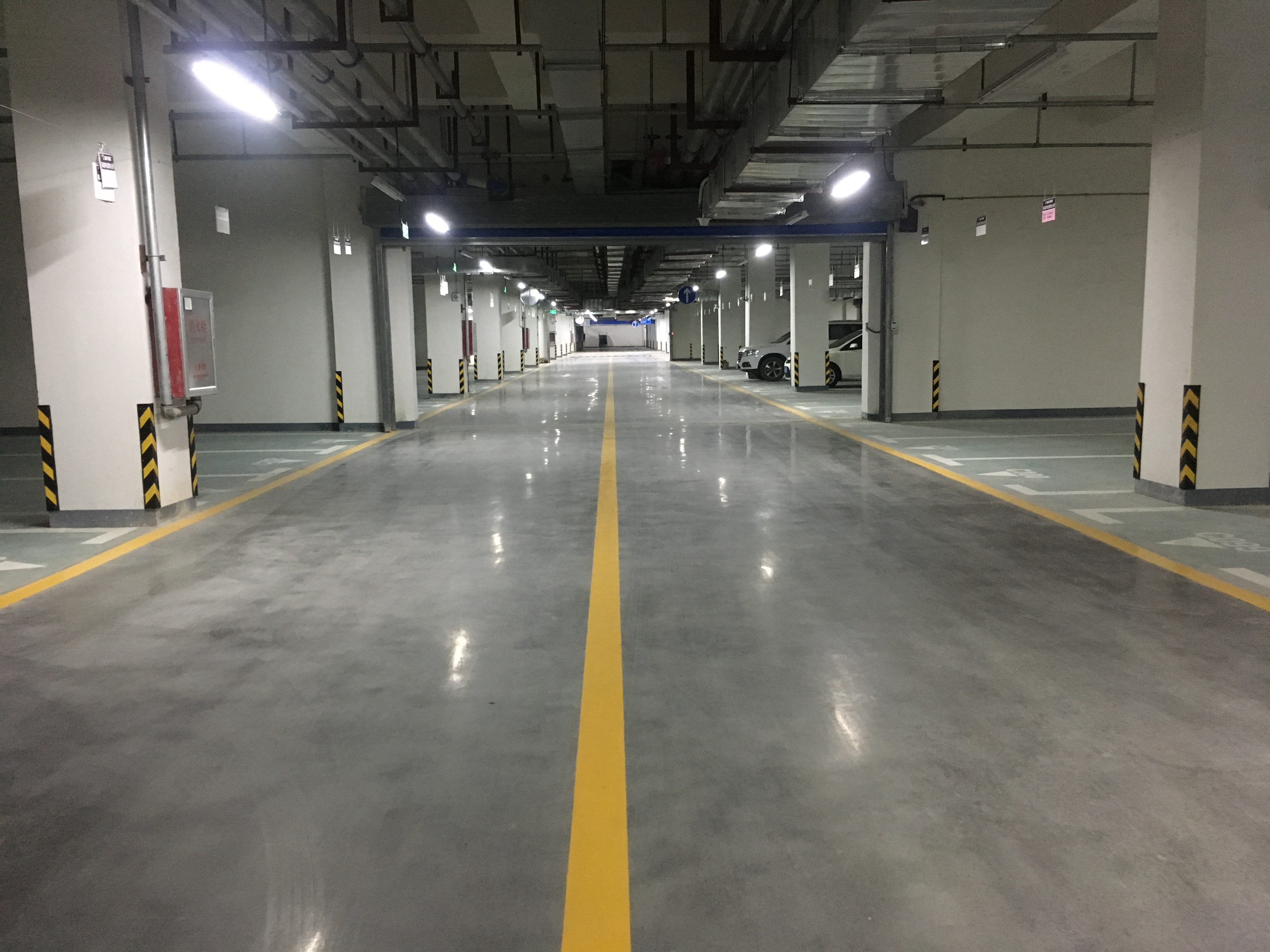
Concrete sealers offer more than protection. Homeowners can choose between matte finishes for a natural look or glossy finishes for a clean, modern appearance. Some products allow tinting, adding subtle color to the floor. Decorative techniques such as stenciling or layered finishes can further enhance the garage’s visual appeal.
Environmentally Responsible Sealer Choices
Low-VOC concrete sealers are safer for indoor environments and help reduce harmful emissions. Choosing products from manufacturers that prioritize sustainability supports environmentally responsible home improvement practices.
Uses Beyond the Garage
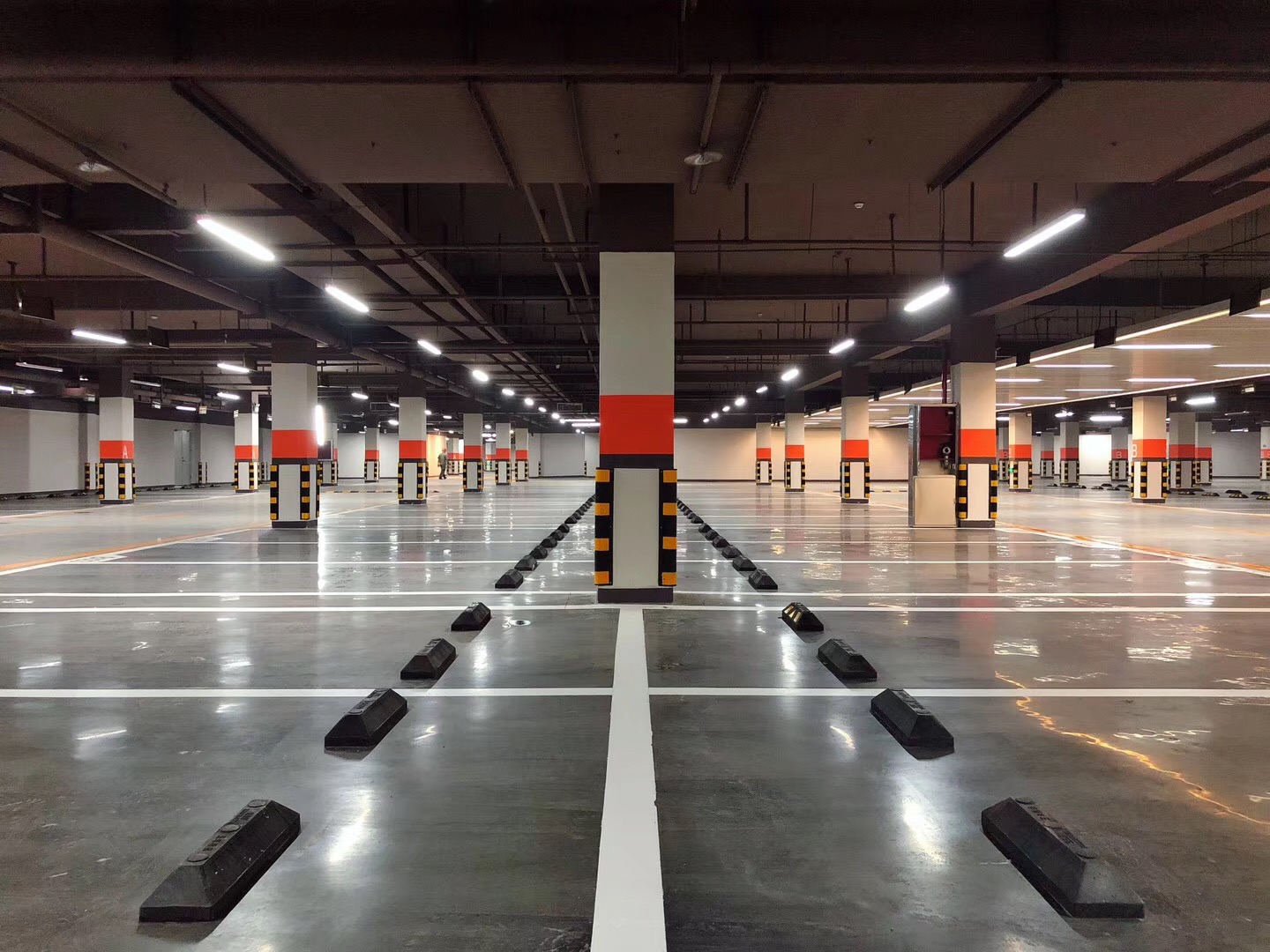
Concrete sealers are highly versatile and can be used in other areas of the home. Basements benefit from moisture protection, patios and driveways gain weather resistance, and workshops receive added durability where tools and machinery are used frequently.
Final Thoughts
Selecting the right concrete sealer for your garage floor is an investment in durability, safety, and appearance. With the correct product, proper application, and regular maintenance, your garage floor can remain strong, attractive, and easy to care for for many years.
Link to this article:https://sprcoating.com/news/How-to-Apply-a-Concrete-Sealer-to-a-Garage-Floor_151.html