How to Estimate Commercial Epoxy Flooring Costs?
When planning a commercial or industrial facility, flooring is more than just a design choice—it’s a long-term operational decision. The right floor impacts durability, safety, maintenance demands, and overall lifecycle costs. Among the most widely used solutions today is epoxy flooring.
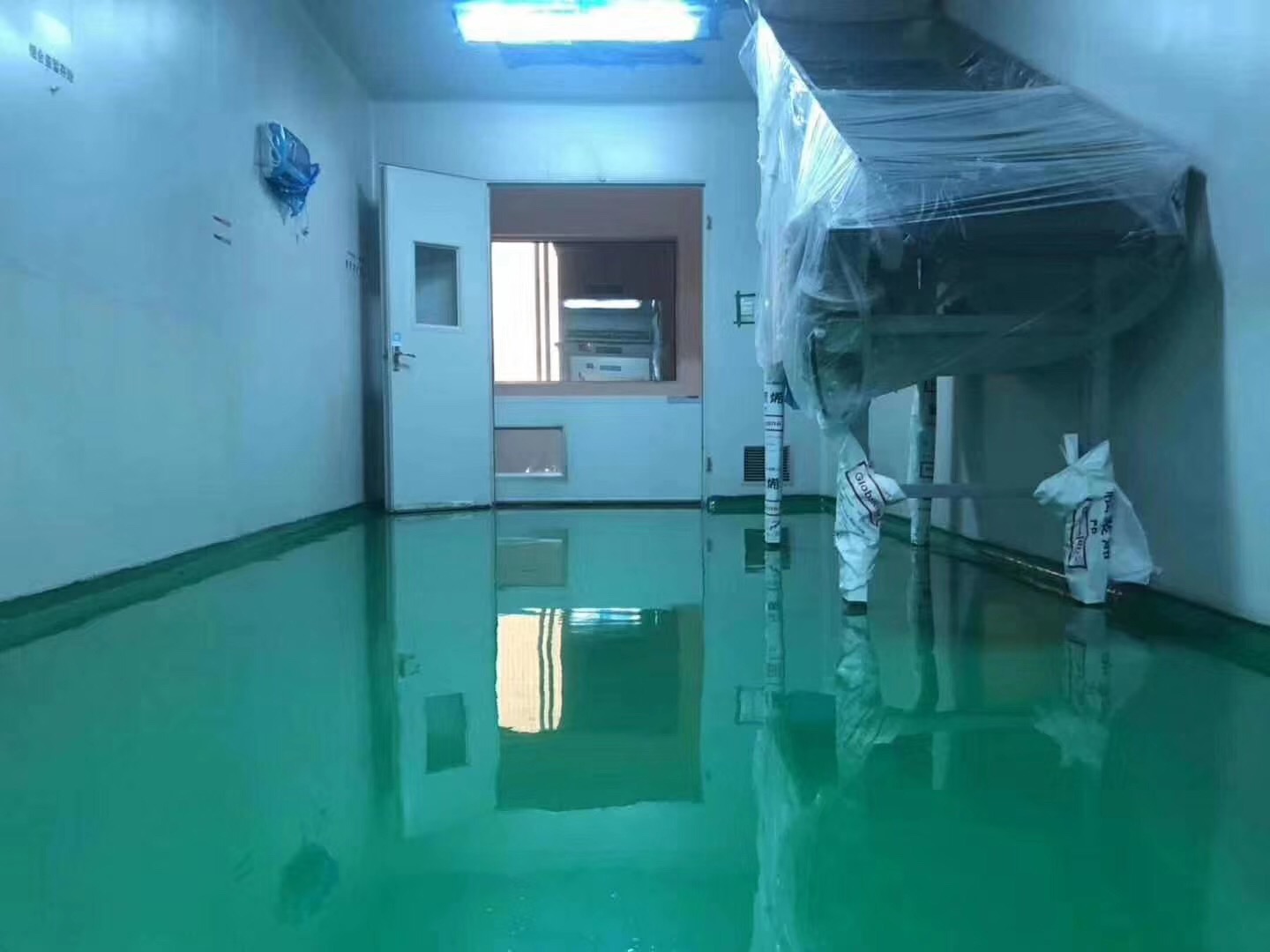
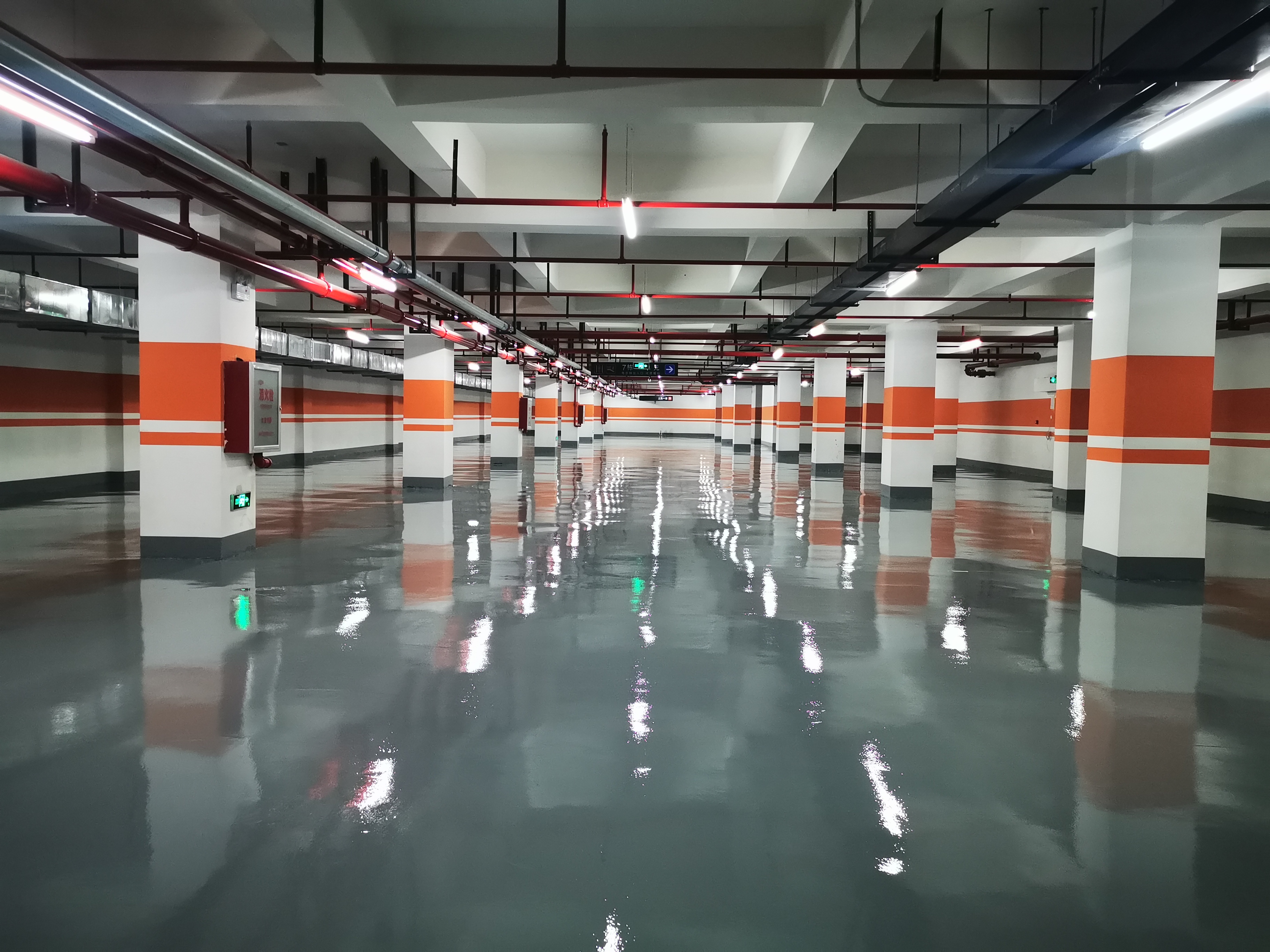
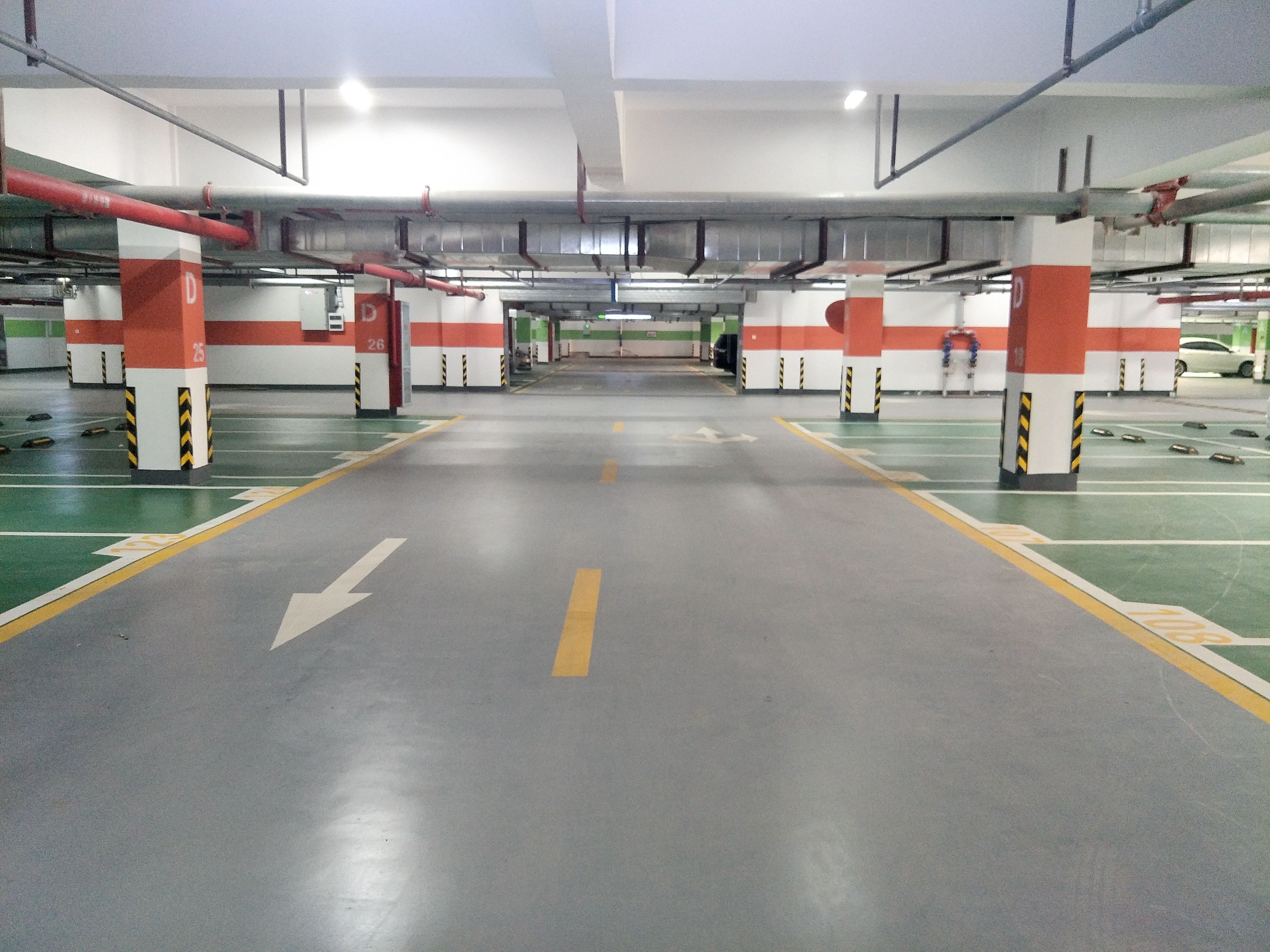
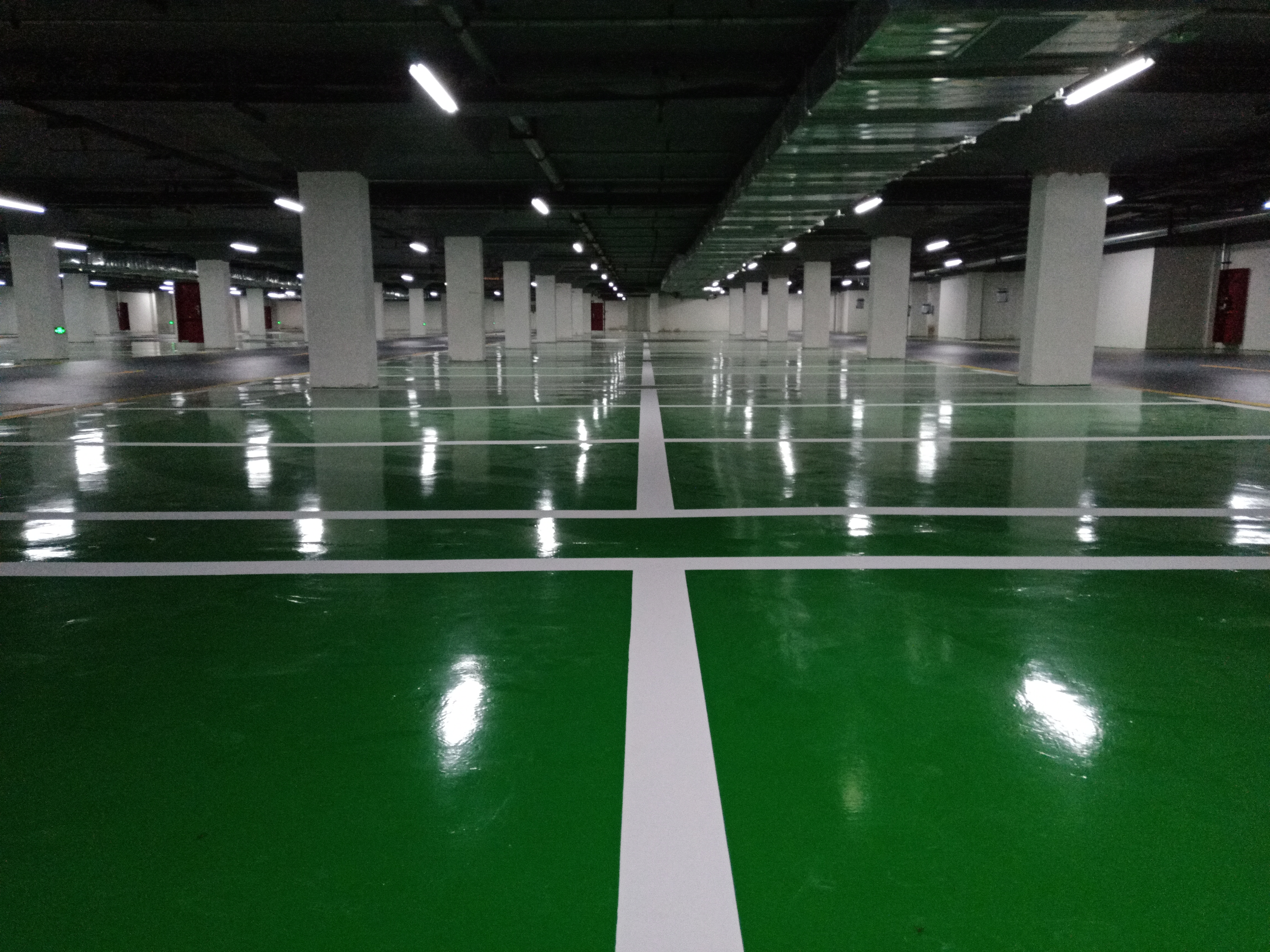
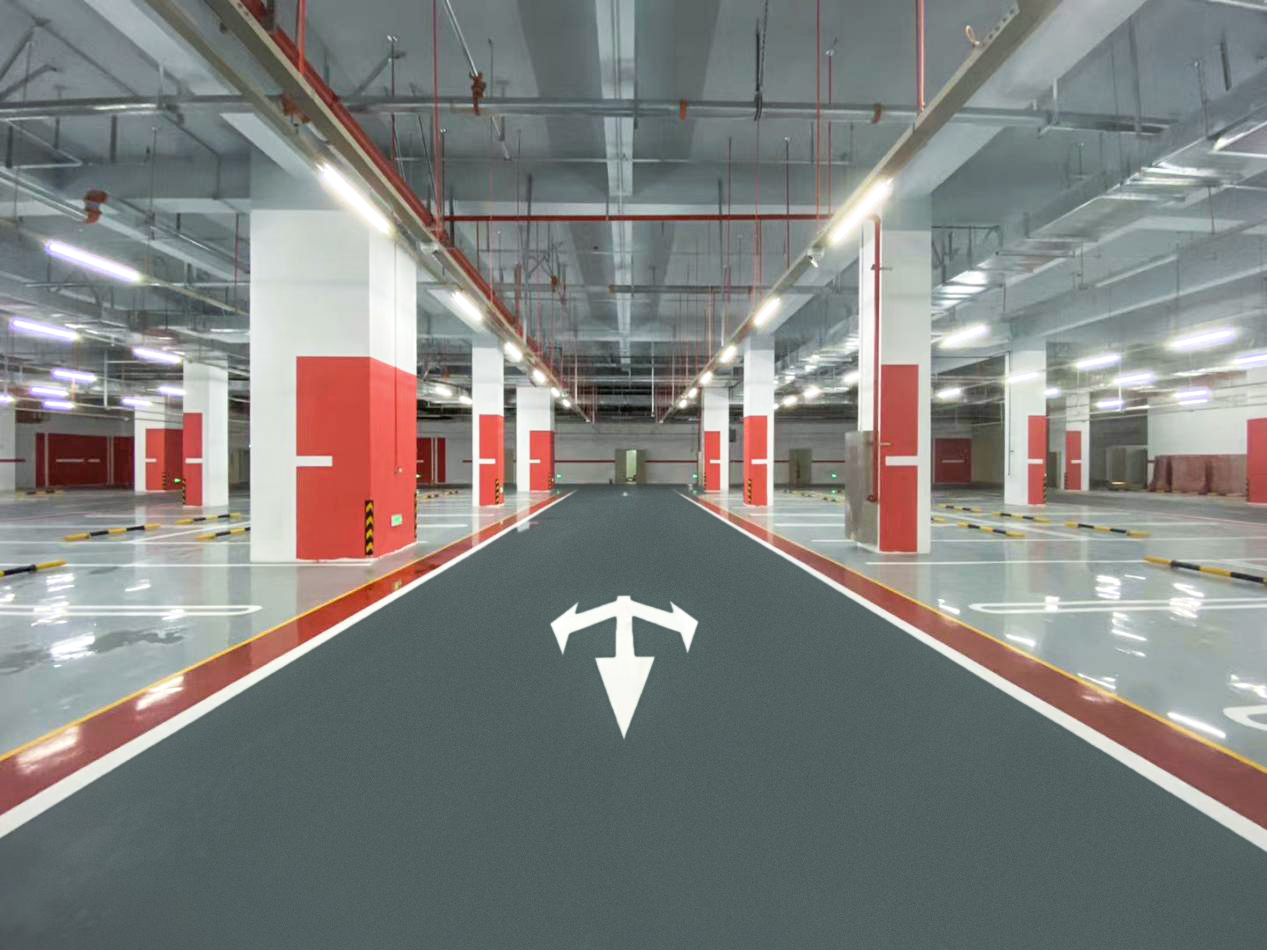
Epoxy floors are commonly installed in demanding environments such as hospitals, auto showrooms, food production areas, laboratories, warehouses, and manufacturing plants. Their popularity comes from their ability to withstand heavy traffic, resist harsh chemicals, and maintain performance under constant use. With minimal repairs and long service life, epoxy floors are built for daily abuse.
Before committing, however, it’s essential to understand how much a commercial epoxy floor actually costs and what factors influence that investment.
Are Resinous Epoxy Floors Worth the Investment?
Cost efficiency is always a priority in construction and renovation projects. While epoxy flooring may not always be the cheapest upfront option, it often delivers significant long-term savings.
Resinous flooring systems are designed to handle extreme conditions, including heavy machinery, vehicle traffic, and frequent cleaning. Although no flooring system is completely immune to damage, epoxy coatings are far more durable than many traditional alternatives. This durability translates into fewer repairs, reduced downtime, and lower maintenance expenses over time.
Basic epoxy systems are among the most affordable resin-based flooring options available for commercial spaces. Additional features—such as enhanced chemical resistance, antimicrobial additives, or slip-resistant textures—may increase initial costs, but they often result in better performance and reduced lifecycle expenses.
Common Types of Epoxy Floor Systems
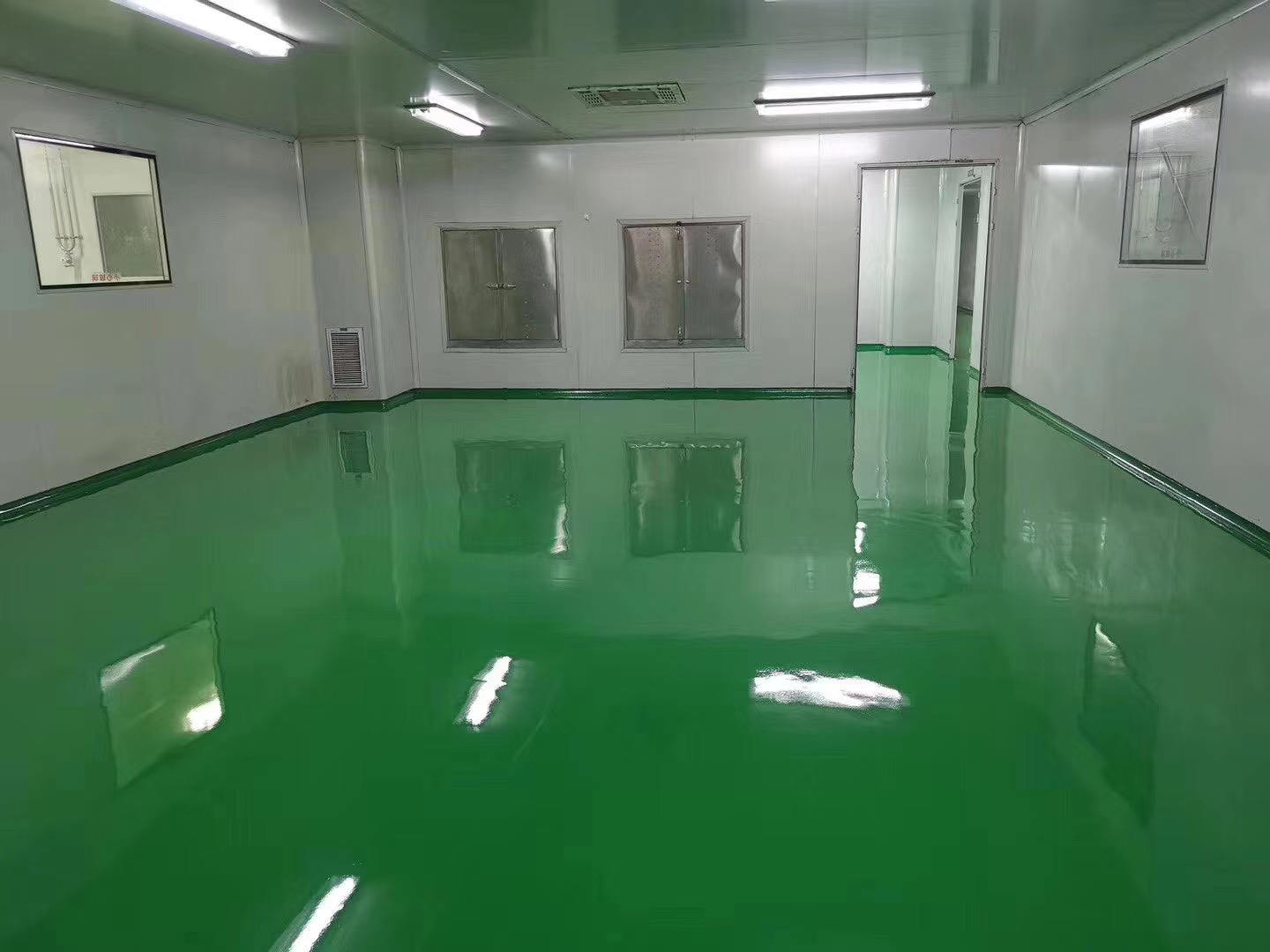
Epoxy flooring is available in a wide range of systems, each designed for specific performance and aesthetic needs.
Epoxy mortar systems combine industrial-grade epoxy with aggregates to create an extremely tough surface. These floors are ideal for heavy industrial environments where chemical spills and impact resistance are critical.
Quartz-filled epoxy flooring offers similar strength to epoxy mortar but incorporates colored quartz crystals. This creates a decorative, slip-resistant surface often used in lobbies, retail spaces, and commercial entryways.
Metallic epoxy coatings use metallic pigments to produce flowing patterns and high-end visual effects. In addition to their unique appearance, these floors provide improved traction and are often used in showrooms and commercial interiors.
Antimicrobial epoxy systems are designed for environments where hygiene is essential, such as healthcare, pharmaceutical, and food-processing facilities. These systems include additives that actively inhibit bacterial growth.
Anti-static epoxy flooring is engineered for spaces where static electricity poses a risk, including electronics manufacturing and facilities handling flammable materials. Conductive components help safely dissipate electrical charges.
How to Estimate Commercial Epoxy Flooring Costs
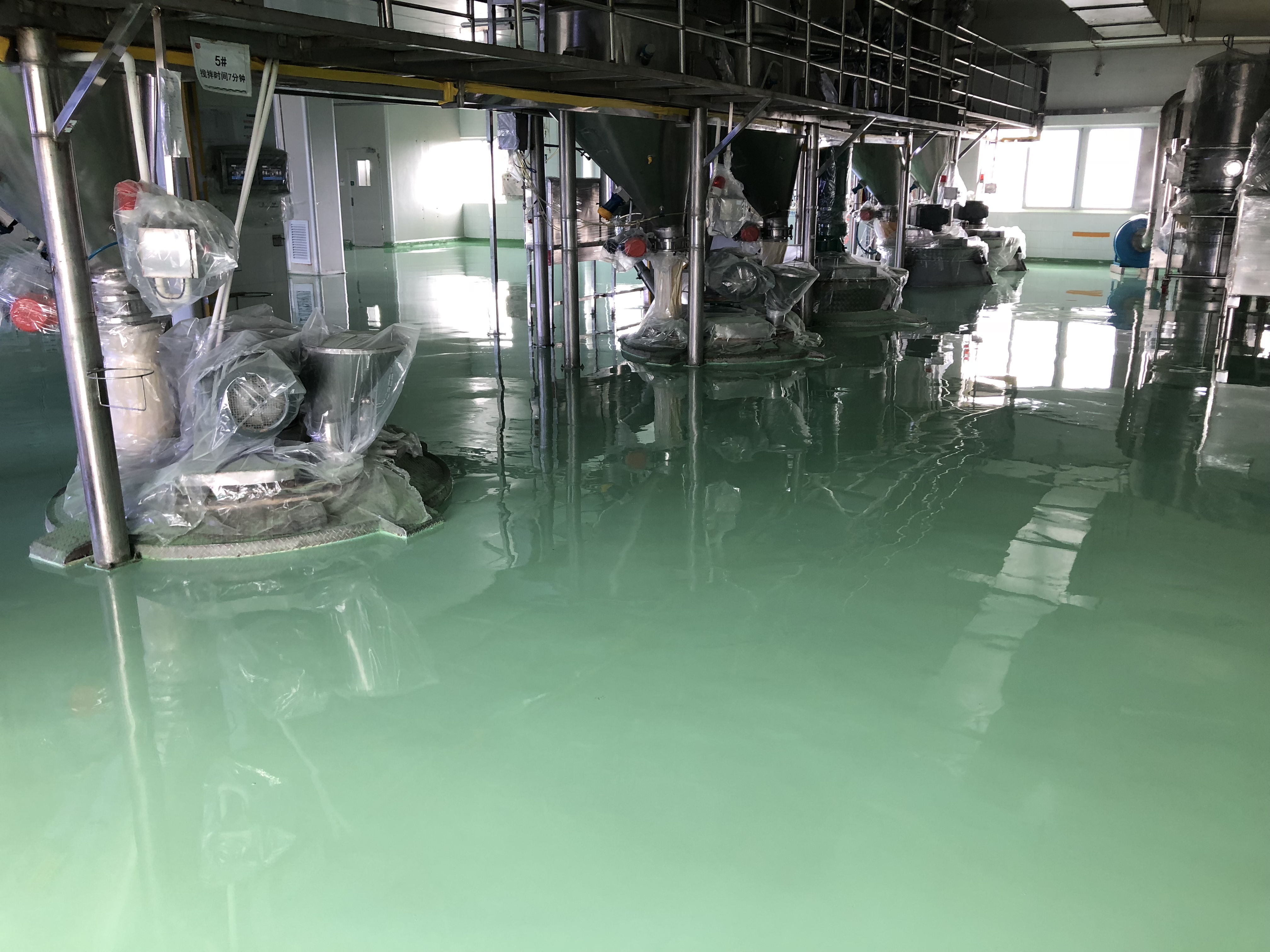
Pricing a resinous flooring system goes beyond a simple cost-per-square-foot calculation. Each installation is customized based on how the space is used and the performance requirements of the environment.
Still, understanding the main cost drivers can help you develop a realistic budget.
Key Factors That Influence Epoxy Flooring Costs
Resistance to physical wear
A newly installed epoxy floor may look flawless, but long-term performance is what truly matters. Lower-cost flooring options, such as vinyl tiles, may require frequent repairs. Epoxy’s superior durability often offsets its initial price by reducing replacement and repair costs.
Maintenance requirements
Epoxy floors are non-porous, making them easy to clean and resistant to stains, moisture, and dirt. This low-maintenance nature helps businesses reduce labor and cleaning expenses over time.
Chemical exposure
In environments exposed to aggressive chemicals, sanitation products, or acidic substances, chemical resistance is non-negotiable. Seamless epoxy systems prevent contaminants from penetrating the surface, while specialized additives further protect against corrosion and degradation.
Aesthetic design
Visual appeal can also affect cost. Epoxy coatings offer extensive customization options, including colors, textures, and decorative finishes. This flexibility allows businesses to achieve a polished, professional look without sacrificing performance.
Comparing Epoxy, Urethane, and MMA Flooring Costs
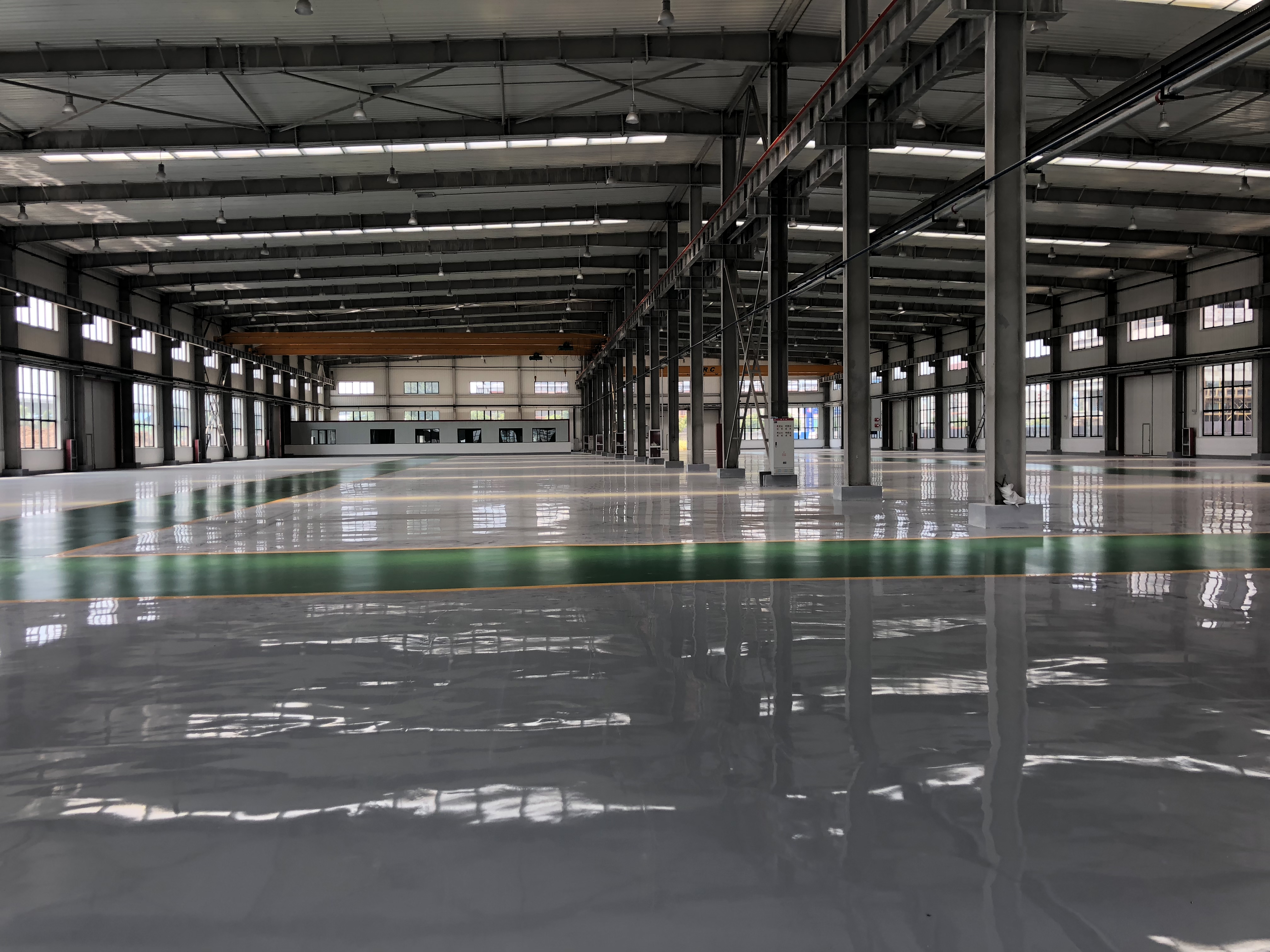
For commercial floors expected to last many years, performance and long-term value matter just as much as initial pricing. The three most common resin flooring systems are epoxy, urethane, and MMA.
Epoxy flooring is one of the most economical options. Large projects can cost as little as $2.50 per square foot, while smaller installations typically range around $8 per square foot for high-quality systems. However, epoxy can be brittle and requires longer curing times, often limiting access for 48 to 72 hours.
Urethane flooring generally costs more, ranging from $6–$10 per square foot for large projects and up to $19 per square foot for smaller areas. Its advantages include superior UV stability, better scratch resistance, and excellent performance in extreme temperatures, making it ideal for freezers and sunlit spaces.
MMA flooring falls between epoxy and urethane in terms of performance. Pricing typically starts around $5 per square foot for large installations and can reach $12 per square foot for smaller jobs. MMA cures extremely fast and can be ready for use within hours, but it requires careful installation due to strong odors and high VOC levels.
Finding the Right Balance Between Cost and Performance
Choosing a resin flooring system is about balancing upfront investment with durability, maintenance savings, and long-term reliability. The true value of any flooring system depends not only on materials, but also on proper design and professional installation.
At SPR Paint, we specialize in designing and installing custom commercial and industrial flooring systems that meet real-world performance demands. With decades of hands-on experience, we help businesses achieve long-lasting, cost-efficient flooring solutions. Contact us today for a free on-site consultation and expert guidance.
Link to this article:https://sprcoating.com/news/How-to-Estimate-Commercial-Epoxy-Flooring-Costs_150.html