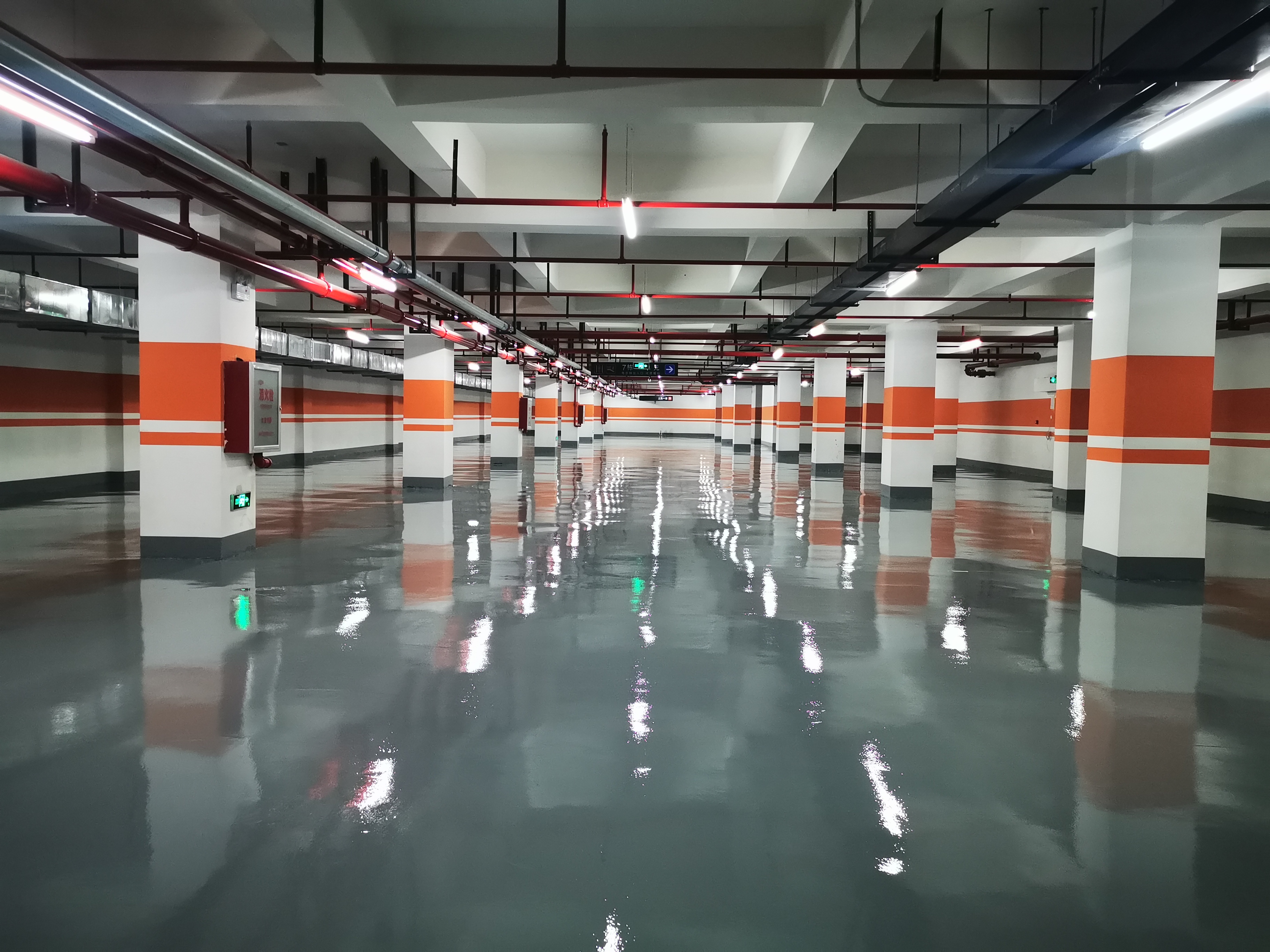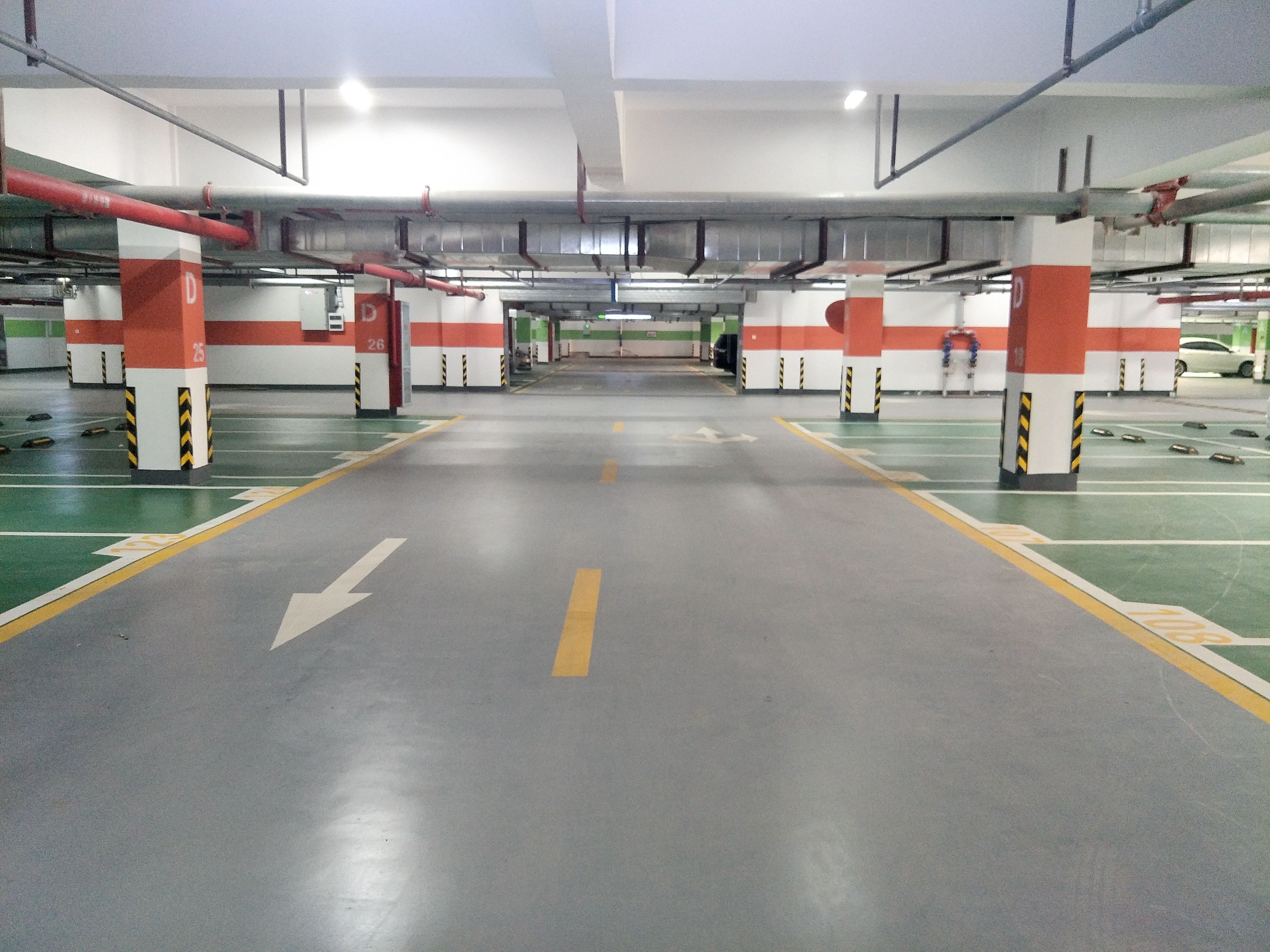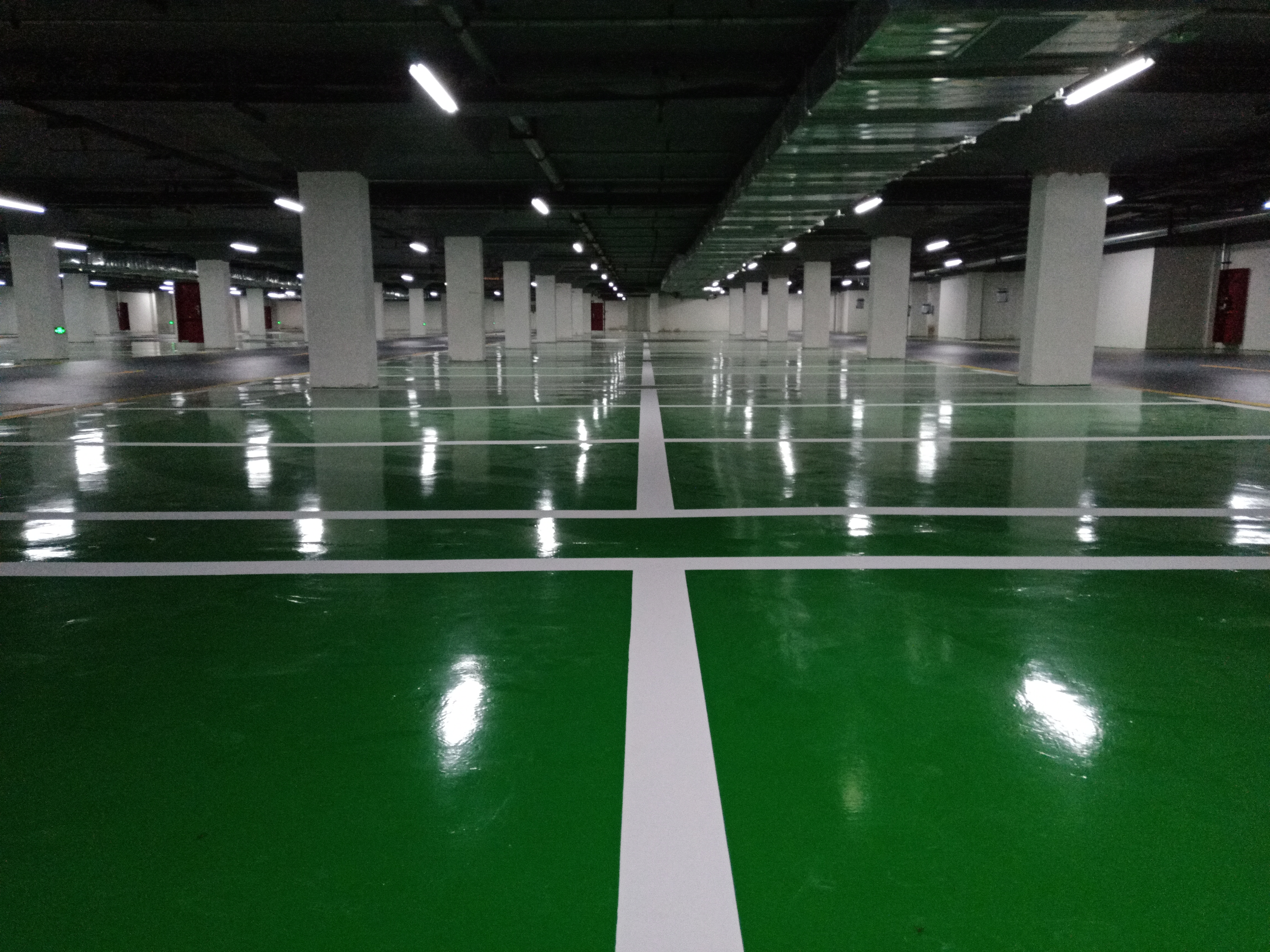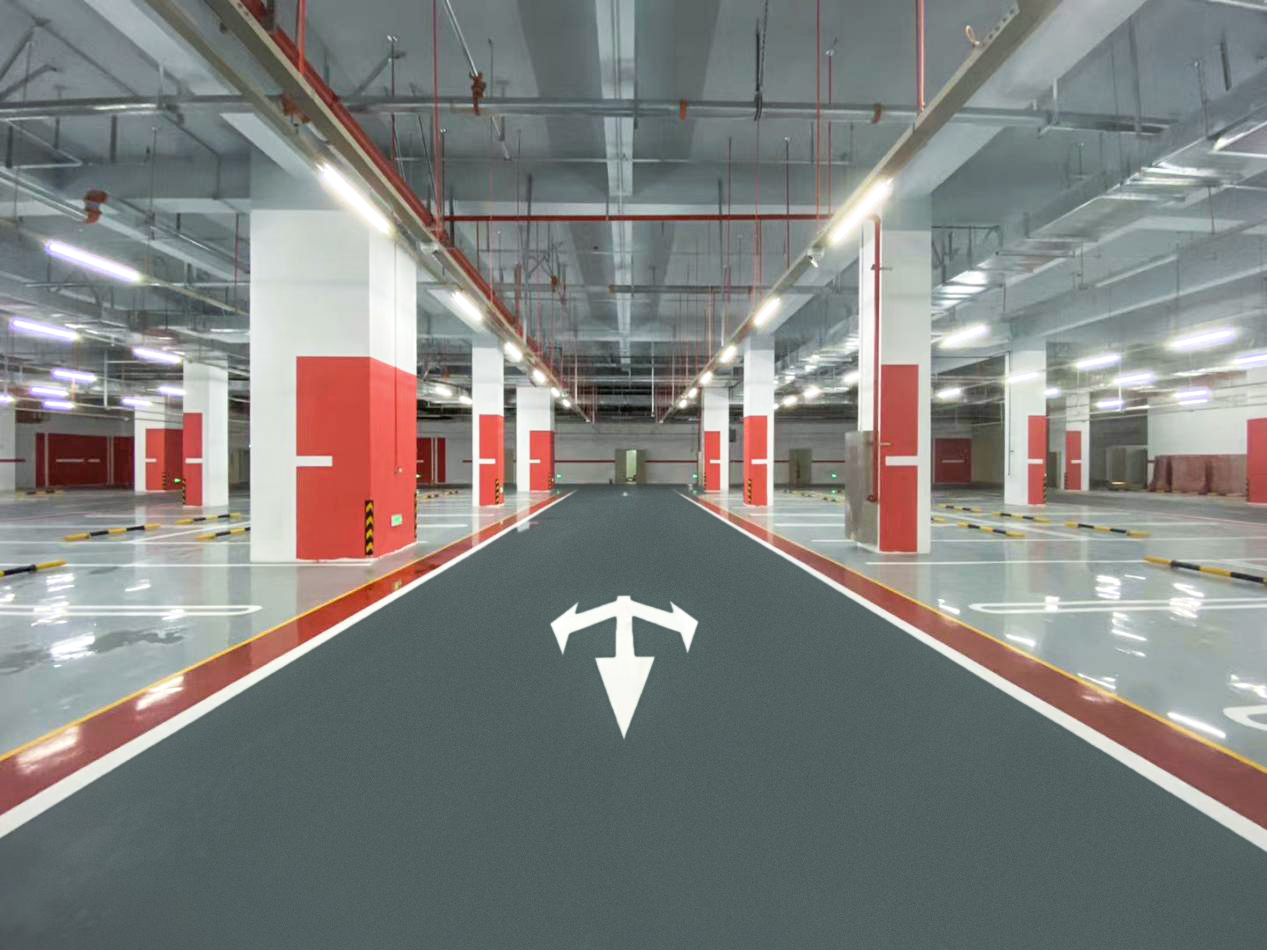

Which type of industrial floor coating is best suited for concrete?
In industrial facilities, warehouses, and garages, a coated concrete floor doesn’t just improve appearances—it also makes daily maintenance quicker, easier, and far more hygienic than leaving concrete bare. With so many coating systems available, however, choosing the right industrial floor paint can feel overwhelming. This guide breaks down the most cost-effective solutions for different working environments and helps you select the coating that truly matches your operational needs.
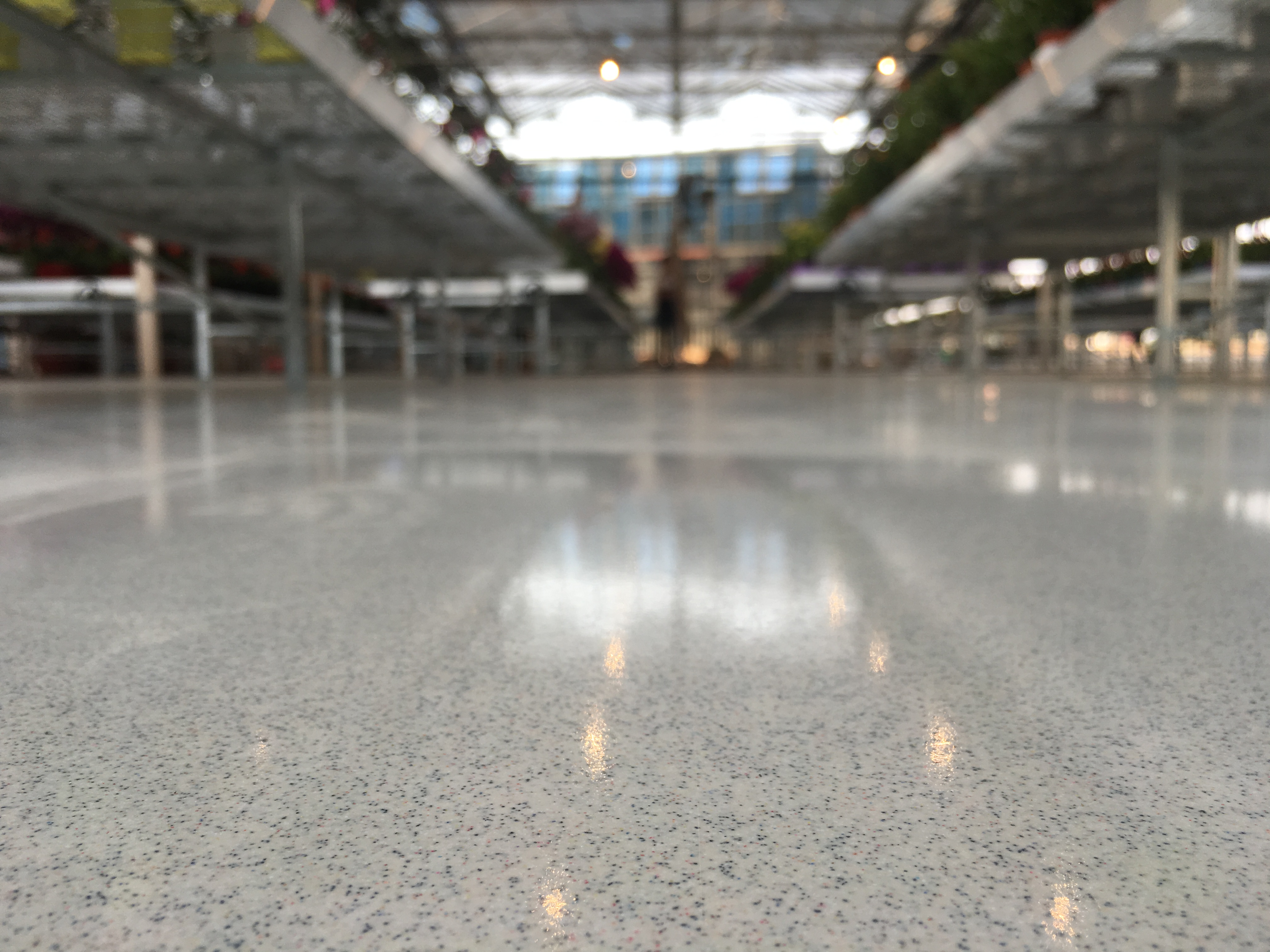
Main Types of Industrial Floor Coatings
While many coating technologies exist, epoxy and polyurethane (PU) dominate the heavy-duty industrial market thanks to their strength, chemical resistance, and long-term performance.
Epoxy Floor Paint
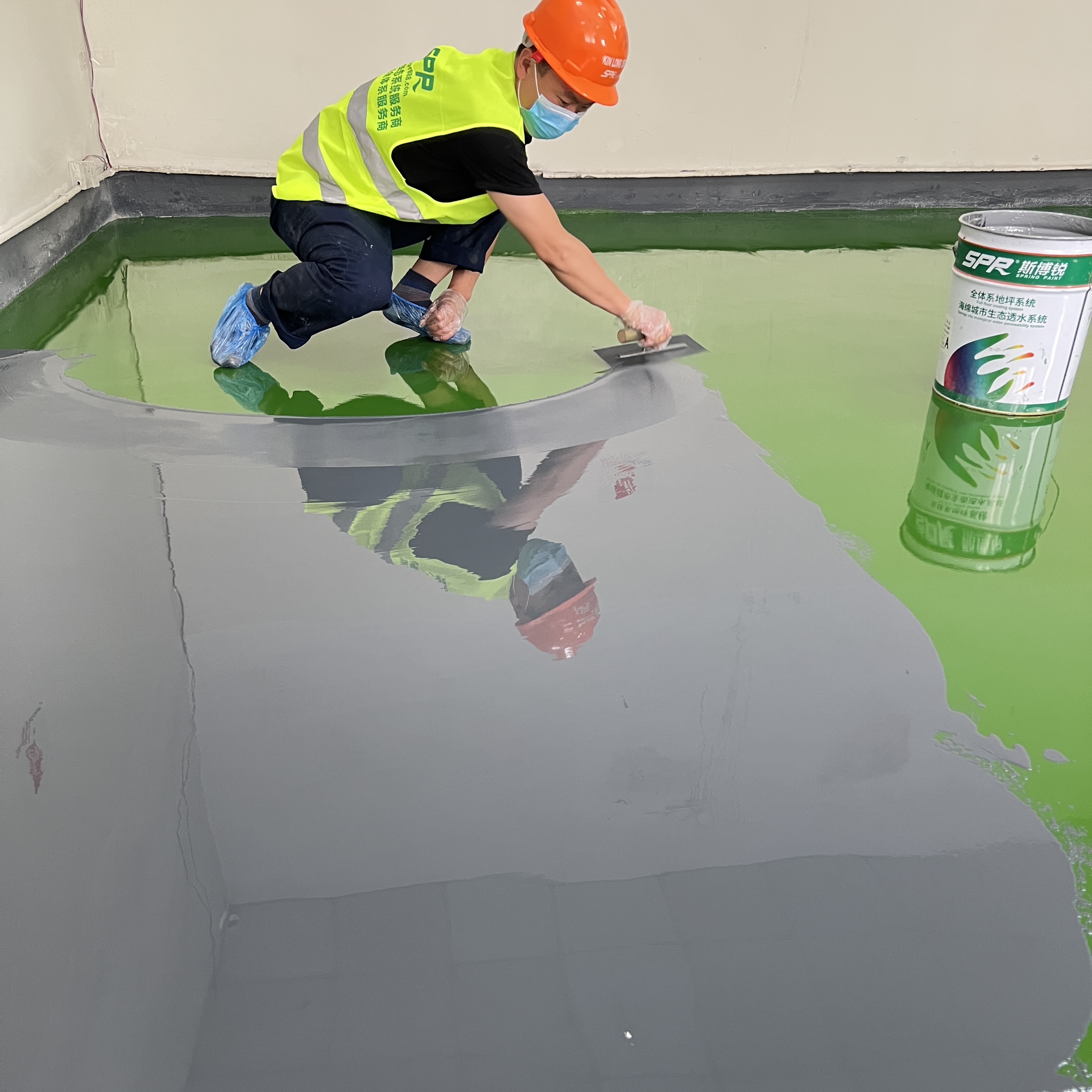
Epoxy coatings fall into three broad categories—100% solids, solvent-based, and water-based—and come in many specialized formulations such as self-levelling epoxies, quartz-filled systems, mortars, and anti-static coatings.
100% Solids Epoxy
This purest form of epoxy offers exceptional mechanical strength but has a short pot life—often less than 30 minutes—making installation more demanding and expensive due to higher waste.
Solvent-Based Epoxy
Adding solvent extends working time and makes the coating easier to apply. Although slightly less strong than 100% solids, it has long been the preferred choice for industrial installations. However, concerns around VOC emissions are gradually shifting users toward safer alternatives like water-based epoxy and PU.
Water-Based Epoxy
Water-based epoxies significantly reduce VOC levels but sacrifice strength. They perform well in light-traffic areas such as offices or labs, but they lack durability for warehouses, workshops, or garages.
Advantages of Epoxy
Outstanding hardness and compressive strength—ideal for heavy machinery, forklift traffic, and industrial impact.
Lower upfront material cost compared to PU.
Better humidity tolerance than polyurethane.
Strong resistance to sulfuric acid spills.
Disadvantages of Epoxy
Shorter overall lifespan due to brittleness and limited flexibility.
Chemical resistance is narrower compared to polyurethane.
Solvent-based systems require longer curing times, potentially interrupting operations.
Polyurethane (PU) Floor Paint
Polyurethane coatings are highly regarded for their flexibility, long-term performance, and excellent chemical resistance. They come in water-based and solvent-based versions and provide a thinner, smoother finish compared to epoxy.
Advantages of Polyurethane
Very flexible, giving it superior resistance to cracking and impact.
Highly resistant to abrasion, scuffs, solvents, alkalis, and lactic acid.
Faster cure times, reducing downtime and installation labor.
Excellent performance in temperature extremes—both cold and heat.
Disadvantages of Polyurethane
Higher material cost compared to epoxy.
Sensitive to moisture during curing and requires a dry environment.
Which Coating Is Best for Industrial Concrete Floors?
There is no universal answer. The right choice depends on:
Traffic load and frequency
Abrasion levels
Chemical exposure
Humidity and temperature extremes
Desired finish and color
Upfront cost vs long-term maintenance
Generally, a high-quality polyurethane coating offers the best long-term value due to its durability, flexibility, and lifespan. Epoxy remains a strong option for high-impact environments or areas exposed to moisture.
Top Characteristics of Quality Industrial Floor Paints
The best industrial coatings share several advantages:
Single-pack formulas with no hardener required
Fast drying—often touch-dry within an hour
Easy application with brush or roller
Strong, durable finish with excellent coverage
Suitable for concrete, wood, and steel
Superior resistance to water, abrasion, chemicals, and solvents
Optional anti-slip additives
Long maintenance cycle—yearly in heavy traffic or up to 5 years in light traffic
How to Prepare Concrete Before Painting
Proper preparation is crucial. A poorly prepped floor will result in weak adhesion and an uneven finish. The surface must be clean, dry, and free of oil, grease, dust, rust, or contaminants.
1. Brush or Vacuum
Used for new or minimally contaminated floors. Remove dust, loose material, then lightly sand the surface to improve adhesion.
2. Solvent Cleaners
Effective for cutting through oil and tough stains. They dry quickly, but due to strong odors and toxicity, appropriate PPE and ventilation are essential.
3. Degreasers
Ideal for moderate to heavy contamination. Apply, scrub thoroughly, rinse, and allow to dry completely before priming or painting.
4. Acid Etching
Hydrochloric acid opens the concrete pores and removes weak surface layers. Apply the diluted solution, allow a short reaction, scrub vigorously, then rinse thoroughly.
5. Shotblasting
Fast and highly effective for removing coatings, laitance, or heavily contaminated layers. Must be used carefully to avoid over-profiling the concrete.
6. Grinding or Scarifying
Methods like diamond grinding, sanding, scraping, or scabbling remove coatings, flatten uneven surfaces, or expose a sound base. Slower than shotblasting but precise.
Need Help Choosing the Right Floor Coating?
If you need personalized guidance on selecting industrial concrete floor paint or understanding surface preparation requirements, consult a professional coating expert or technical support team.
Link to this article:https://sprcoating.com/news/Which-is-the-Best-Industrial-Floor-Paint-for-Concrete_149.html