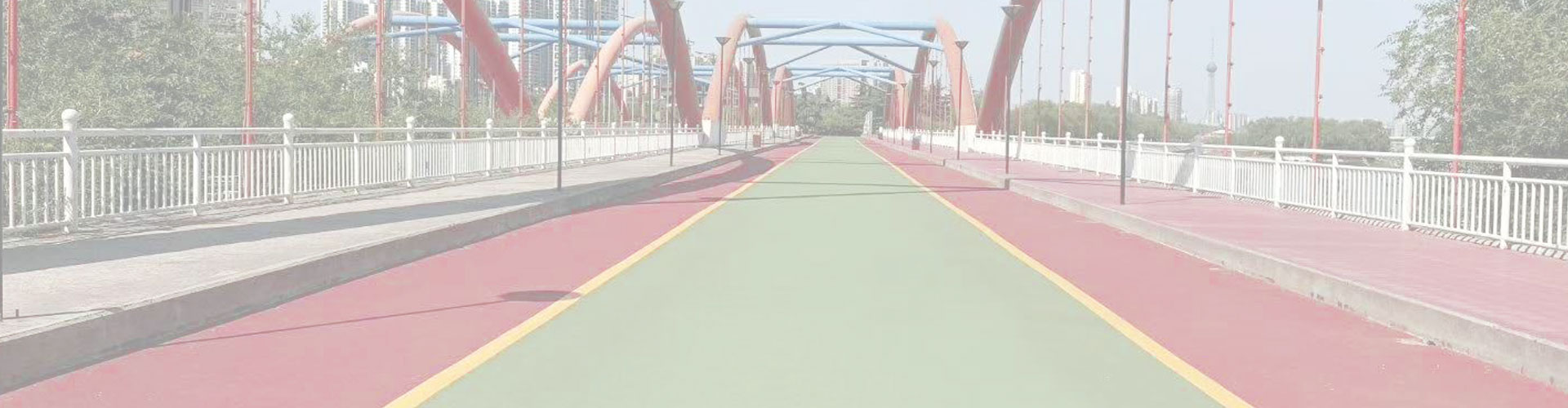
What Is Concrete Resurfacing?
What Is Concrete Resurfacing and What Do Industry Professionals Suggest?
If you’ve been searching for “what is concrete resurfacing,” you’re likely looking for a way to refresh or improve an existing concrete surface—such as a driveway, garage floor, patio, or outdoor deck—without the cost and disruption of full replacement. The good news is that resurfacing can often deliver a cleaner, newer look without tearing out your old concrete.
Understanding how concrete resurfacing works, and what professionals truly recommend, can help you avoid costly mistakes and choose a longer-lasting solution.
Understanding Concrete Resurfacing
Traditional concrete resurfacing typically involves applying a thin overlay of cement-based material over an existing concrete slab. This overlay bonds to the old surface, improving its appearance while using the original slab as a structural base. Because the slab stays in place, there’s no need for demolition, removal, or extended curing times associated with pouring new concrete.
Once applied correctly, a resurfacer can refresh worn concrete and create a more uniform finish.
The Traditional Concrete Resurfacing Method
A standard concrete resurfacing process usually follows several basic steps.
First, surface repairs must be completed. Concrete resurfacers are designed as cosmetic coatings, not structural repair solutions. Any major cracks, holes, or damaged areas must be repaired before resurfacing begins. If the concrete is severely deteriorated, full replacement may still be necessary.
Next, the resurfacing material is mixed with water until it reaches the proper consistency. This step requires close attention to manufacturer guidelines, including temperature requirements. At this stage, color additives can be blended into the mix if a decorative finish is desired.
The resurfacer is then applied to a slightly damp concrete surface. Dry concrete can absorb moisture from the resurfacer too quickly, which interferes with proper bonding and curing. The material is usually poured and spread in small sections to maintain control and consistency. Many products require multiple coats, with specific waiting periods between applications.
To improve slip resistance, texture is often added before the surface fully sets. While a smooth finish may look appealing, it can become dangerously slick when wet. Texturing provides added traction and safety.
Finally, the resurfaced concrete must cure. Light foot traffic is typically allowed after about eight hours, while vehicle traffic may require up to two days. During curing, the surface often needs to be lightly misted to prevent premature drying.
Although this approach may seem effective, professionals have found that it does not perform well in all climates.
Why Traditional Concrete Resurfacing Fails in Cold Climates
In regions with harsh winters and frequent freeze–thaw cycles, traditional resurfacing methods often fail. Many coating professionals refer to this process as “skim coating” because the thin layer does not bond deeply enough to withstand temperature changes.
As temperatures drop and rise, the resurfaced layer expands and contracts faster than the concrete slab beneath it. Over time, this movement leads to cracking, peeling, flaking, and delamination. For homeowners seeking a long-term solution, traditional resurfacing is rarely recommended in colder regions.
What Professionals Actually Recommend
Instead of thin cement overlays, industry professionals prefer coating systems that chemically bond to the concrete surface.
The process begins by repairing all existing damage. Cracks are typically filled with sandable epoxy, polyurethane, or polyurea repair materials. Areas with surface pitting or spalling are treated with epoxy or polymer-modified cement patching compounds.
Once repairs are complete, the concrete is mechanically prepared using diamond grinding equipment. Grinding removes old coatings and opens the pores of the concrete, allowing new materials to penetrate deeply and bond effectively.
The final step is applying a urethane-based membrane coating system. These systems are designed to protect concrete from UV exposure, stains, moisture intrusion, fading, and surface deterioration. They offer a balance between workable application time and fast curing, allowing foot or vehicle traffic much sooner than traditional resurfacing methods.
For durability, performance, and long-term value, this modern coating approach is what professionals consistently recommend over traditional concrete resurfacing.
Link to this article:https://sprcoating.com/news/-What-Is-Concrete-Resurfacing-_153.html