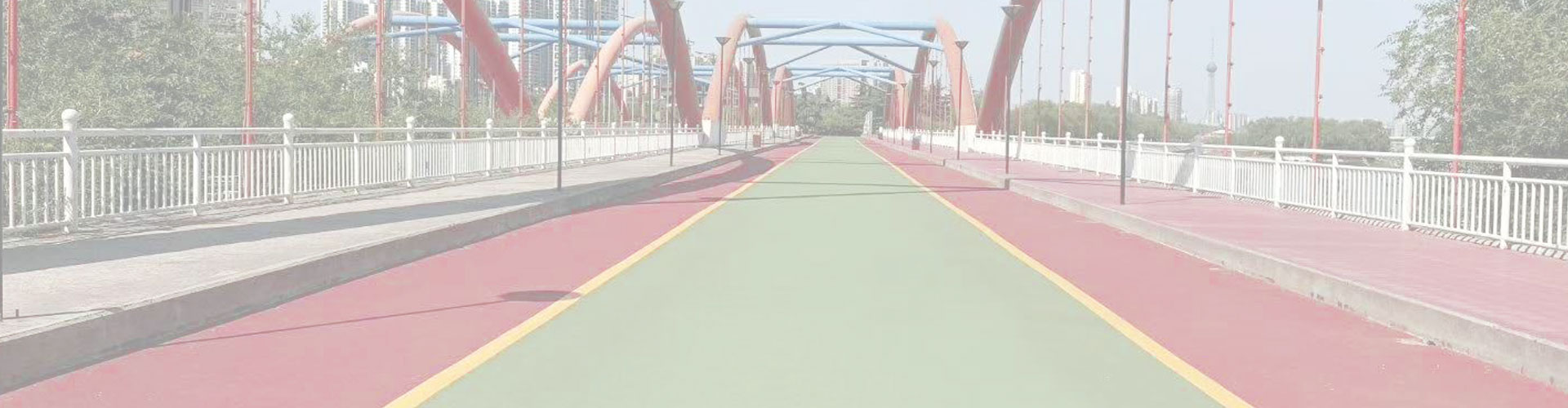
Is Epoxy Floor Coating Suitable for Outdoor Use?
In the modern floor coating industry, epoxy floor coatings have become a popular choice for indoor floor decoration due to their excellent wear resistance, aesthetics, and ease of cleaning. However, when looking at outdoor environments, whether epoxy floor coatings can still maintain good performance has become a focus of attention for many engineers and owners. This article will analyze the feasibility and limitations of using epoxy floor coatings outdoors from the perspectives of material characteristics, environmental challenges, and practical applications.
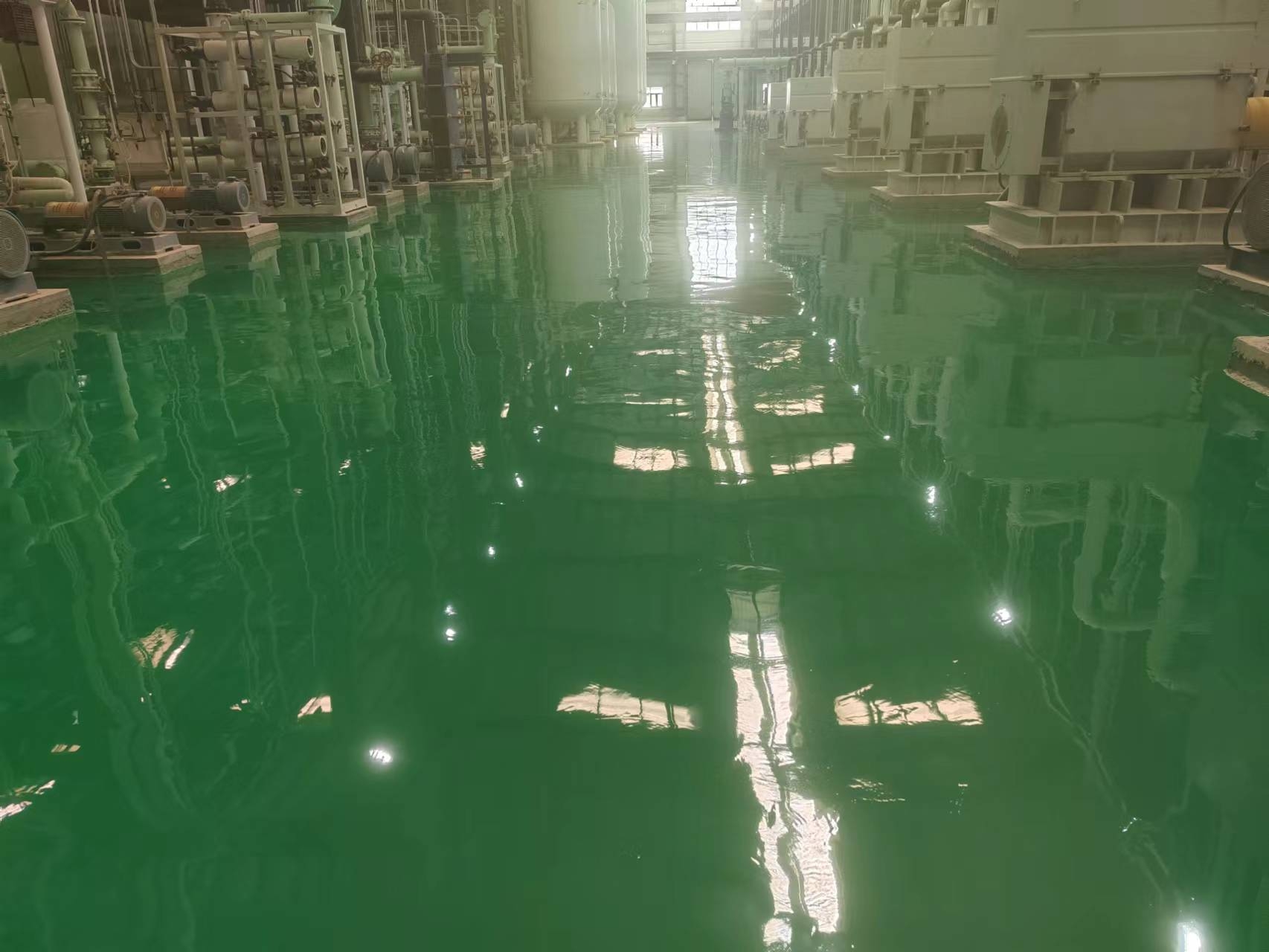
I. Core Characteristics of Epoxy Floor Coatings
Epoxy floor coatings are a coating system made with epoxy resin as the main film-forming substance, combined with curing agents, pigments, fillers, etc. Its core advantages lie in high adhesion, high strength wear resistance, and excellent chemical resistance. It can form a smooth, seamless surface in indoor workshops, warehouses, commercial spaces, etc., facilitating cleaning and maintenance, and resisting common damage such as forklift rolling and chemical corrosion.
However, the poor weather resistance of epoxy floor coatings is an inherent drawback. Epoxy resin molecules are prone to photo-oxidative decomposition under ultraviolet (UV) radiation, leading to coating chalking and fading. Simultaneously, their adaptability to temperature changes is insufficient; alternating hot and cold temperatures can cause coating cracking and peeling. This poses a hidden danger for their outdoor application.
II. The Severe Challenges of Outdoor Environments to Epoxy Floor Coatings
(I) Climatic Factors
1. UV Radiation: Long-term exposure to sunlight damages the chemical bonds of the epoxy coating, causing the surface to gradually lose its gloss and chalk, thus reducing the coating's protective performance.
2. Temperature and Humidity Variations: Outdoor temperature differences can reach tens of degrees Celsius. Epoxy floor coatings experience frequent thermal expansion and contraction. If the substrate is not properly prepared or the coating lacks elasticity, cracks are easily generated. High humidity environments can cause blistering and delamination of the coating.
3. Rainwater Erosion: Rainwater erosion and penetration weaken the adhesion between the coating and the substrate, accelerating coating aging. If the water contains acidic or alkaline substances, it can also cause chemical corrosion.
(II) Mechanical and Chemical Wear Outdoor surfaces are frequently subjected to the pressure of vehicles and pedestrians, as well as scratches from sharp objects such as stones and metal tools. Furthermore, chemicals such as road cleaners and de-icing agents can accelerate coating degradation.
III. Limited Application Scenarios and Optimization Solutions for Epoxy Floor Coatings Outdoors
(I) Application Scenarios
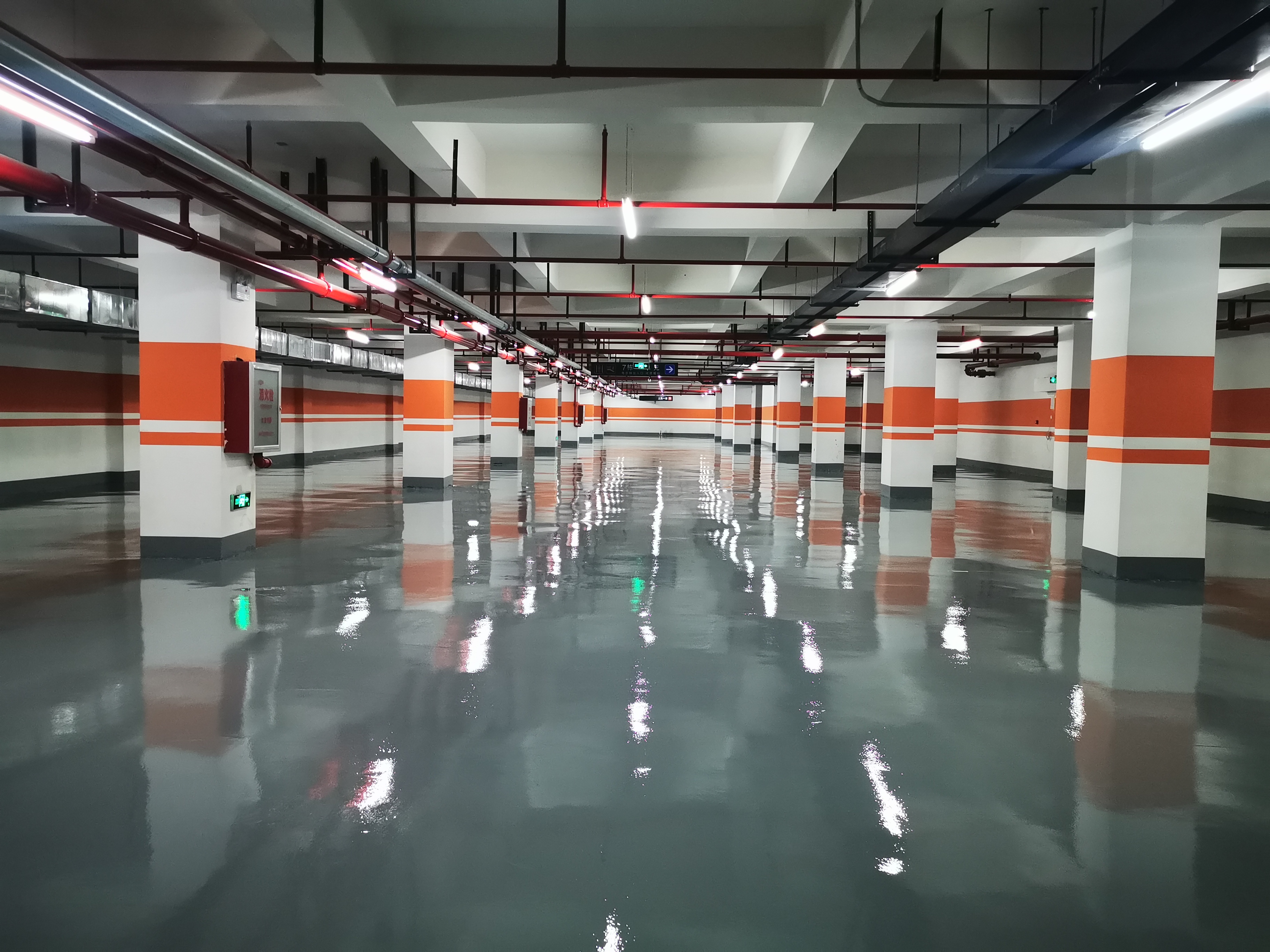
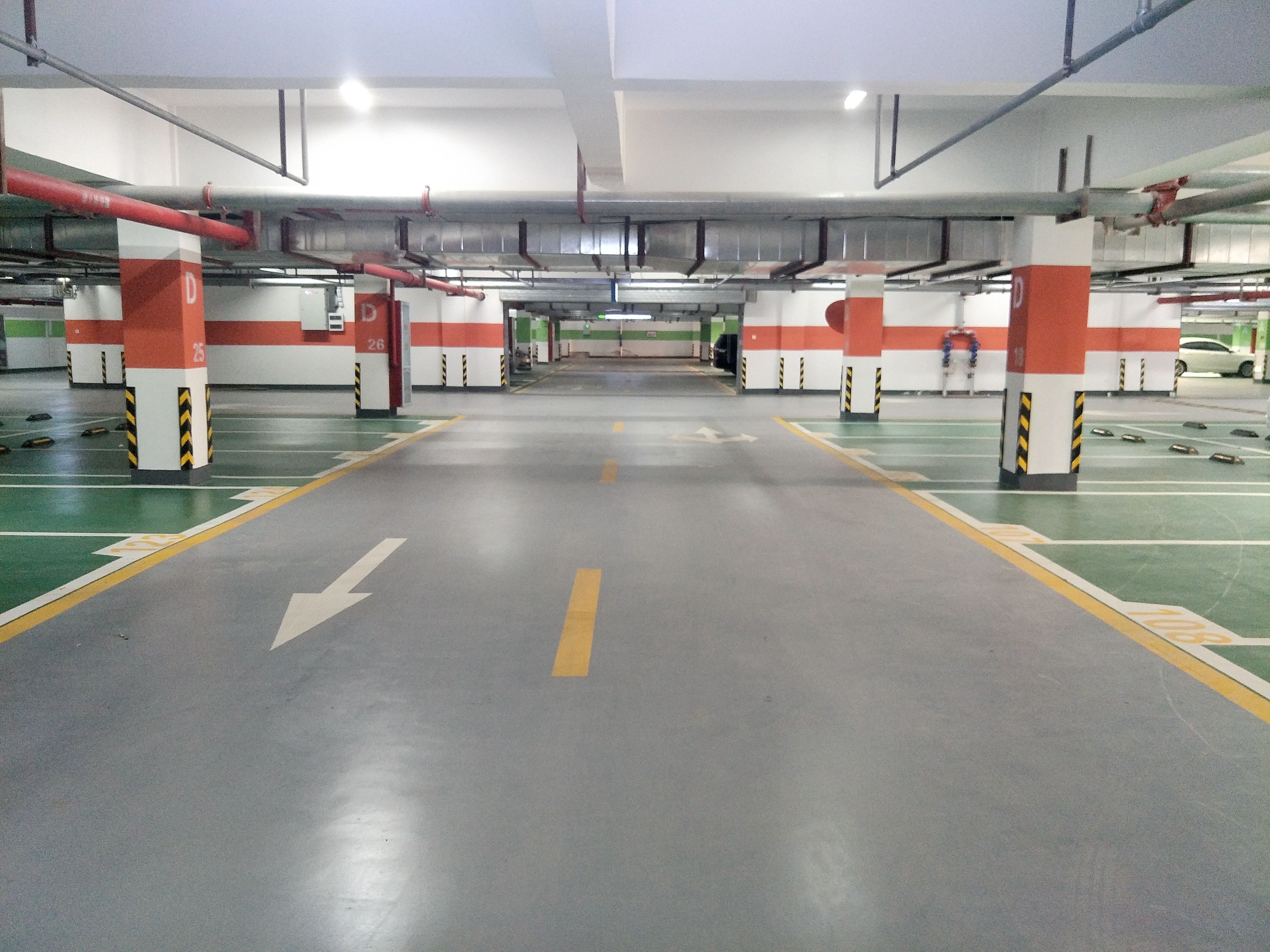
1. Partially Shaded Areas: Areas such as underground parking garage entrances, covered commercial pedestrian streets, and factory equipment shelters are less affected by direct UV radiation and extreme weather. Epoxy floor coatings can leverage their aesthetic and wear-resistant advantages.
2. Temporary Flooring: In short-term construction sites and temporary activity plazas, epoxy floor coatings, with their convenient construction and controllable costs, can serve as a temporary solution.
(II) Performance Improvement Strategies
1. Coating System Optimization: A composite structure of UV-resistant topcoat + intermediate coat + primer is adopted. The topcoat uses materials with excellent weather resistance, such as polyurethane or acrylic polyurethane. The intermediate coat adds elastic resin to improve crack resistance, and the primer ensures a strong bond with the substrate.
2. Substrate Preparation Enhancement: Thoroughly grind and dust-remove outdoor cement or asphalt substrates, and apply a moisture-proof primer to prevent moisture penetration. For areas with large temperature differences, an elastic buffer layer can be added.
3. Routine Maintenance and Upgrades: Regularly clean and polish the epoxy floor surface, and apply a UV protectant to delay coating aging.
IV. Recommended Alternative Solutions: For long-term stable outdoor flooring, consider acrylic floor paint, polyurethane floor paint, or permeable concrete. Acrylic paint has strong weather resistance and long-lasting color; polyurethane paint combines wear resistance and weather resistance, making it suitable for heavy-duty traffic areas; permeable concrete performs well in terms of environmental protection and drainage, making it suitable for parks, sidewalks, and other similar applications.
In conclusion, epoxy floor paint is not entirely unsuitable for outdoor use, but it needs to be considered in conjunction with specific environmental conditions, and risks should be reduced through technical optimization. For long-term, stable performance, choosing a more suitable specialized outdoor flooring material is a more reliable solution. In actual projects, a comprehensive consideration of cost, functionality, and durability should be made to achieve a scientific decision.